
Most, if not all, of us have been in a pool at some point in our lives. Whether it’s playing around with friends on a hot summer day or swimming laps for a competitive team, swimming is one of the most common and widely known activities. Because of this familiarity, it’s easy to assume that swimming is simply fun and effortless.
From the outside, it can look like nothing more than playing in the water. However, the reality is far more complex. Swimming, especially at a competitive level, is a physically demanding and high-intensity sport that challenges both the body physically and mentally. Beyond building strength and endurance, swimming can affect mental health – positively or negatively – depending on approach and daily balance.
Recreational swimming is what most people are most familiar with. It is typically associated with fun, relaxation, and overall enjoyment, offering an opportunity to cool off and spend time with others. Whether someone is playing in the water or casually swimming laps, recreational swimmers can move at their own pace without pressure or strict expectations. Despite its laid-back nature, this form of swimming still provides significant health benefits, including improved cardiovascular fitness and reduced stress levels. Swimming significantly improves the heart and lungs without the high impact on joints, found in other sports. This makes it ideal for managing arthritis or recovering from any injury.
It also offers full body toning and muscle growth because of the water resistance. According to The National Library of Medicine, swimming has beneficial effects on mood and anxiety symptoms. Swimming is often described as a meditative or recovery-based activity because of its rhythmic movements and calming effects on the body. This idea is especially evident in light aerobic water exercise, where the environment promotes both physical recovery and mental relaxation. In this way, swimming can be considered a uniquely healing form of exercise that supports both physical and emotional well-being.
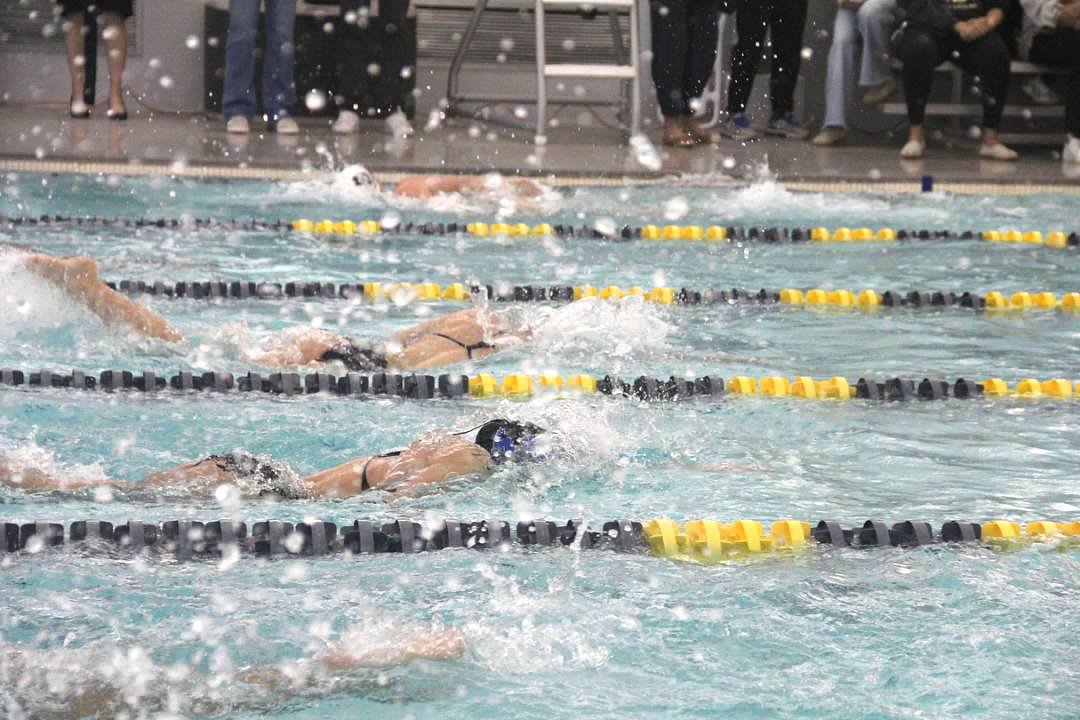
At the same time, competitive swimming can build valuable life skills, such as performing under pressure, managing time effectively, and developing strong discipline. It also provides a full-body workout and is often considered a form of high interval intensity training (HIIT). As said above, it has significant health and lung effects as well. However, these benefits can come with challenges. Many swimmers experience stress, burnout, or even injury due to the sport’s repetitive and demanding nature. Research and athlete experiences also point to mental struggles, such as fear of failure, which often are created from the high expectations placed on performance. Fear of failure emphasizes how athletes are literally afraid to fail and do bad, because of the pressure and expectation placed on them. This creates a more complex reality – while competitive swimming can be incredibly rewarding, it can also place significant physical and mental strain on athletes.
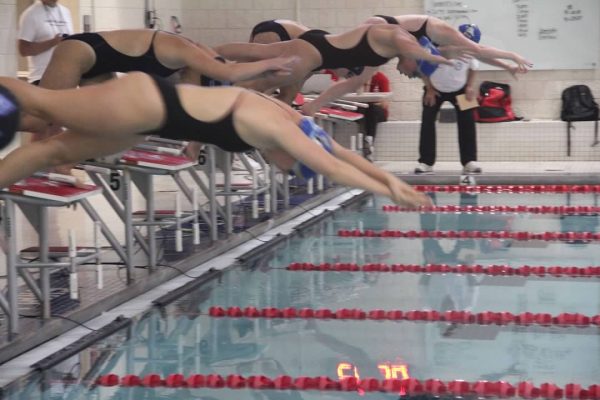
In contrast, competitive swimming transforms the same activity into something far more demanding. It requires early mornings, long practices, and a constant commitment to improvement. Many swimmers dedicate significant time each week to the sport, often upwards of thirteen hours per week, while structuring their daily routines around training, nutrition, and recovery. As Lizzy Gusho, a sophomore at Greenwich High School and swimmer at Chelsea Piers Aquatic Club (CPAC), explained, this commitment means “staying dedicated to daily practices and workout routines”.
Despite the intensity, many swimmers emphasize the positive impact the sport can have. Gusho noted that swimming has strengthened her mental health, pushing her to realize “that I can do more than I think I can do,” while Chip Moles, a freshman at Darien High School and swimmer at CPAC, shared that the sport has made him “a lot more disciplined” and helped keep his mental health “in a good spot and [he’s] never felt better”. For both athletes, the benefits extend beyond physical fitness, shaping their mindset and daily habits.
Despite their differences, both recreational and competitive swimming offer meaningful benefits. Each builds physical strength, endurance and mental resilience in its own way. Whether in a relaxed or high-pressure setting, swimming has the power to support both mentally and physically. The key is finding a balance – pushing limits while still maintaining a healthy relationship with the sport.