The modern NFL quarterback is expected to do everything: throw accurately, read defenses, lead the locker room, and stay composed under pressure. But above all else: run. The dual-threat quarterback, a player who can pass and run the ball effectively, has become one of the most exciting archetypes in football because they force defenses to account for every inch of the field. Despite how valuable this style has become, the conversation surrounding these quarterbacks has never been equal. Race still quietly shapes how people interpret intelligence and leadership at the position.
For decades, the quarterback position was treated as reserved for players who fit a very specific image. White quarterbacks were often described as ‘smart’ and ‘students of the game,’ even when they lacked mobility. Black quarterbacks, meanwhile, were praised for athleticism first, sometimes exclusively, as if speed automatically came at the expense of intelligence. Dual-threats were often talked about like single-threats (running). The implications of this are obvious.
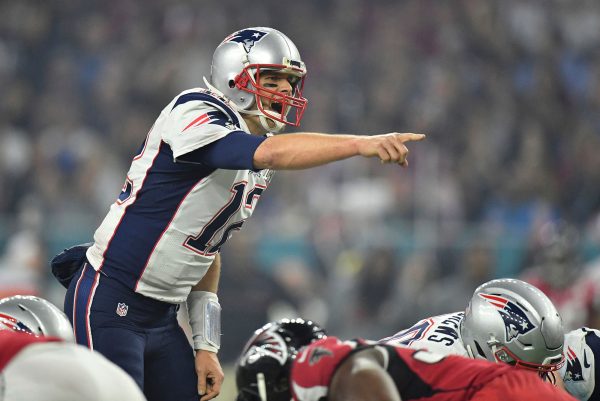
One group was seen as naturally fit to lead an offense. The other was often treated like an athlete temporarily borrowing the role.
This mindset still lingers, even if people are less direct about it now. When a white quarterback scrambles effectively, analysts call him ‘deceptively athletic.’ When a Black quarterback dominates on the ground, critics sometimes imply he relies too heavily on running because he cannot succeed as a passer. The exact same trait gets interpreted differently depending on who possesses it. That’s what makes the discussion so frustrating: mobility in football is either valuable or it is not. It shouldn’t suddenly become a flaw when certain players use it better than others.
Ironically, even criticism about the ‘decline’ of quarterback play sometimes reflects this tension. Tom Brady, unanimously considered the greatest quarterback of all time, has spoken publicly about believing parts of football are not as good as they once were, particularly regarding mechanics and pocket discipline. And to some extent, he has a point.
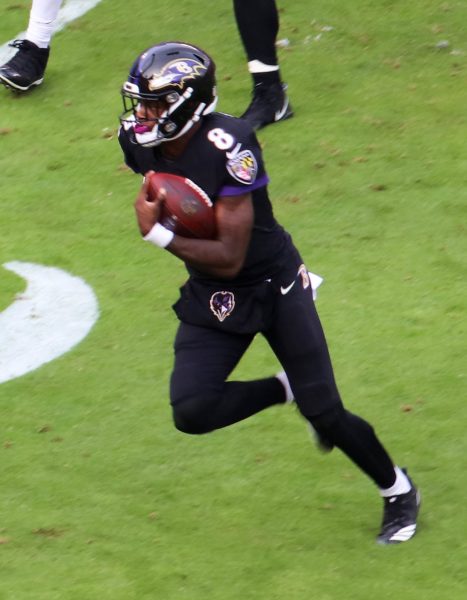
The league has shifted away from the traditional pocket passer model that defined previous eras. But people romanticize the old quarterback prototype as the ‘correct’ way to play football simply because it is familiar. Mobility is treated like shortcuts instead of legitimate skills, even when modern defenses make those abilities more necessary than ever.
And the irony? The NFL itself has evolved. Today’s offenses are built around versatility. Quarterbacks are expected to extend plays and improvise with their pure ability. Players like Lamar Jackson and Jalen Hurts have forced the league to adapt because traditional defensive systems struggle against quarterbacks who can punish mistakes both through the air and on the ground. Yet even after winning MVPs or reaching Super Bowls, discussions about their intelligence or long-term sustainability continue in ways that pocket passers rarely experience.
The deeper issue is perception. People often confuse familiarity with correctness. For years, audiences grew accustomed to a prototype quarterback, so anyone outside of that image felt ‘different,’ even if they were successful. Stories shape expectations. Once a stereotype exists long enough, it starts sounding like analysis instead of bias.
A healthier way to view quarterbacks is much simpler: evaluate the results instead of the stereotype. Leadership is not determined by race. Intelligence can’t be measured in a forty-yard dash time. Athleticism doesn’t cancel out discipline or preparation. In reality, the best quarterbacks are usually the ones capable of adapting. Versatility is not a negative.
Ironically, the dual-threat quarterback represents exactly where football is heading. The position is becoming less rigid, less predictable, and more creative. The players succeeding today are redefining what excellence at quarterback looks like, whether people are comfortable with it or not. That discomfort says more about the audience than the athletes themselves.