For many teenagers, a car is more than just a means of transportation; it’s a symbol of independence and freedom. It can be a reflection of identity and a creative way to connect with others who share the same passion.
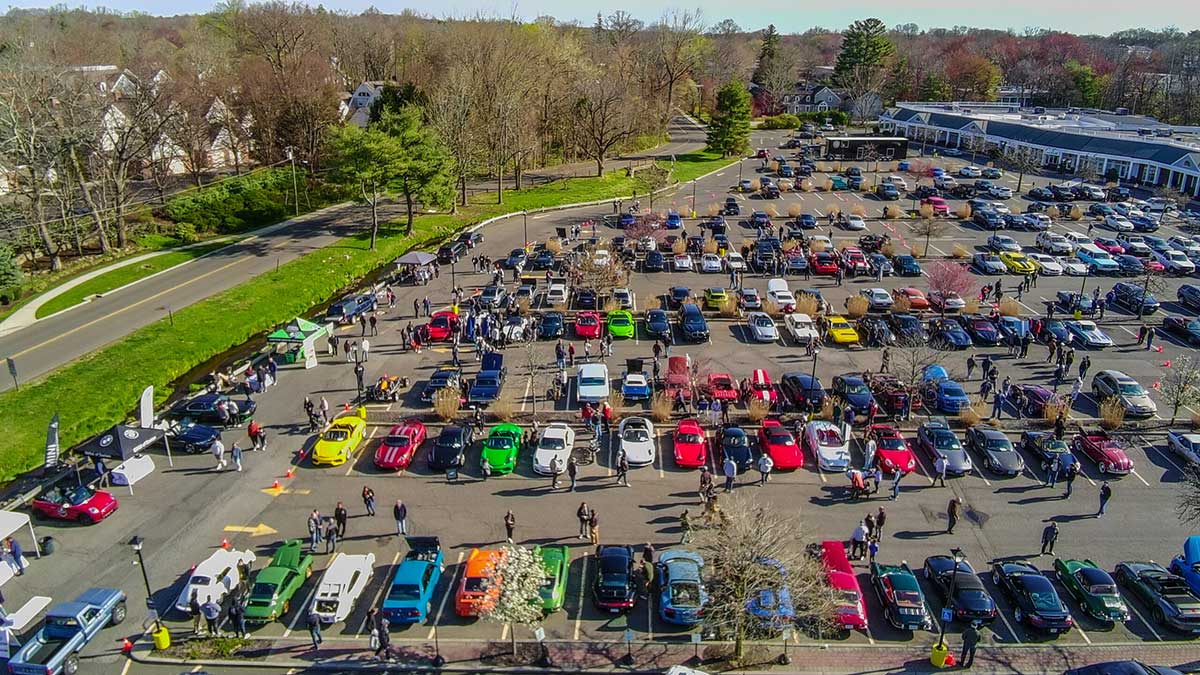
Hundreds of car enthusiasts gather at the local Cars and Coffee event in Darien. Providing a space for people of different ages and backgrounds to connect through their shared passion for vehicles. (Photo Credit: Cars and Coffee Darien).
On Sunday, June 14, 2026, at a local Cars and Coffee event, dozens of vehicles sat in the parking lot. Cars ranged from muscle cars and classics to modified imports, race cars, and brand-new sports cars. Groups of people gathered around the cars, discussing modifications, engines, and plans for the car.
For many high school students, a sense of community is one of the leading reasons that they become involved in car culture.
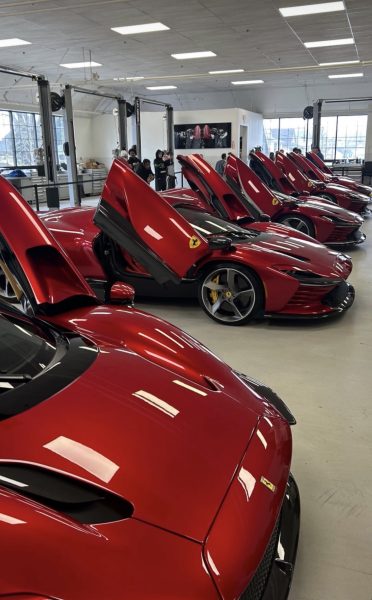
Junior Ronnie Silva of Westhill High School in Stamford said, “I think that the car community gave me a sense of home, and that’s my favorite part about it for sure. I love to get away from school and the real world to do what I love most, which is car spotting and car photography.”
Over the years, car culture has been associated with independence and freedom. For teenagers, getting a driver’s license is often one of the first major steps toward freedom and adulthood. Ultimately, cars frequently become more than just transportation, and they become an important extension of a personality.
Some students often express themselves through sports cars, trucks, or vintage vehicles. Whether it is a new set of wheels, upgraded engine equipment, or simply keeping a car squeaky clean, many teens use their cars to showcase their personalities and interests.
According to a report from The Atlantic, cars can provide teenagers with their first real sense of ownership and individuality that few other objects offer.

“A driver’s license marked the transition from childhood and dependence to adult responsibility and freedom. To many, it was a far more important milestone than voting or legal drinking. It was the beginning of a new world—of cruising down Main Street to meet with friends and compete with rivals; the ritual of being picked up for a date and making out while “parking”; and of the pleasures and frustrations of repairing, souping up, customizing, or racing a car” (The Atlantic).
The social aspect of car culture often brings together people who might not otherwise interact. For example, students from different grades, backgrounds, or schools can find common ground through their shared interest in vehicles. Car meets, local events, and online groups create opportunities for people to build friendships and meet new people.
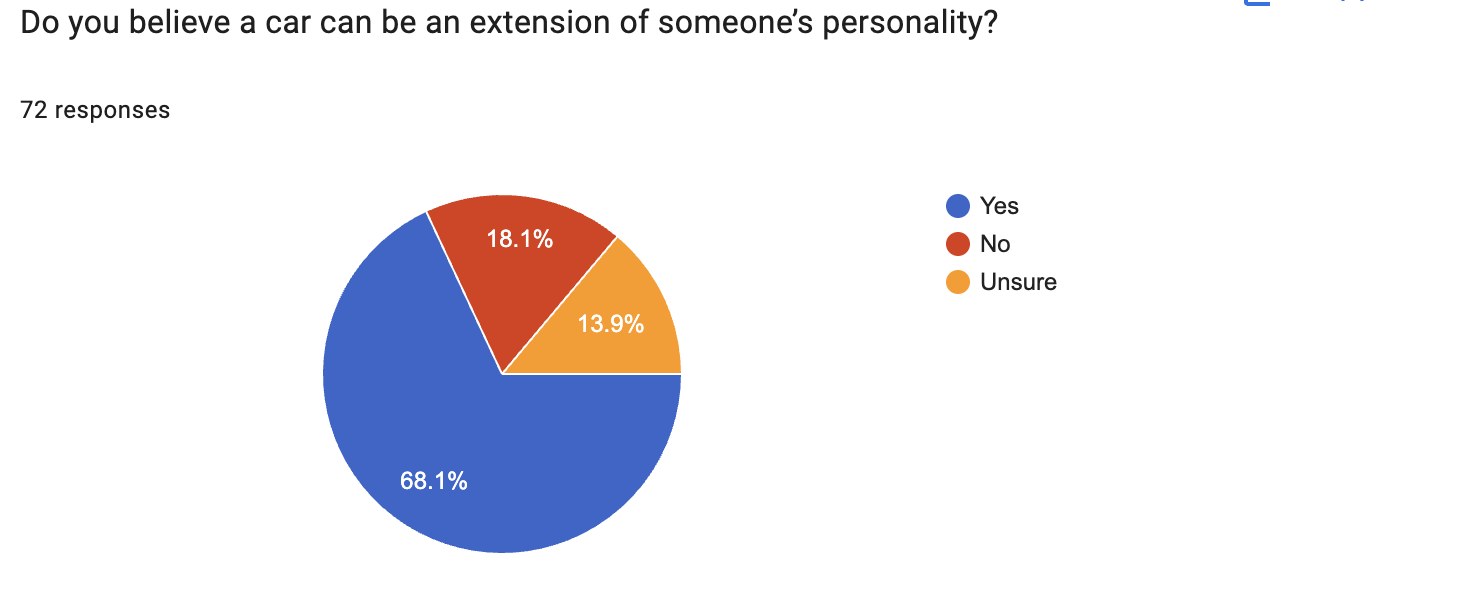
A survey conducted among 72 DHS students shows that the majority of people believe that cars can be a representation of someone’s personality. The result suggests that even people who are not actively involved in a car community still feel that freedom and sense of personality when it comes to their cars.
As students continue to grow their interest in vehicles, the reason for the hobby becomes clearer. While the cars may draw people in, it is the community behind them that keeps them coming back.