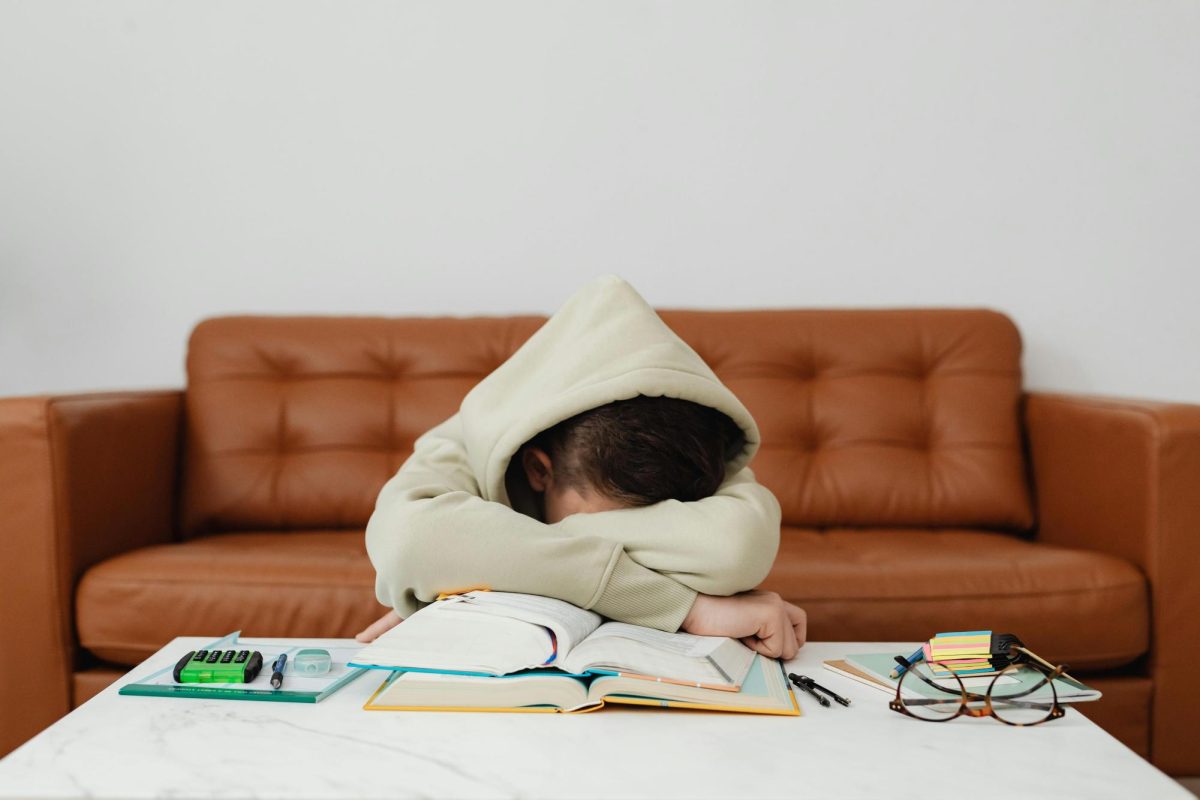
How many hours are there in a student day? The short answer: not enough. Between classes, homework, sports, clubs, jobs, family responsibilities, and social commitments, many students feel as though there simply isn’t enough time. While involvement and participation in activities can be great and rewarding, balancing it all often comes at a cost: sleep, motivation, and overall well-being. The pressure to excel both inside and outside the classroom has become a defining part of many students’ high school experiences. While stress is often considered a normal part of school life, experts say many students are experiencing something more serious: burnout.
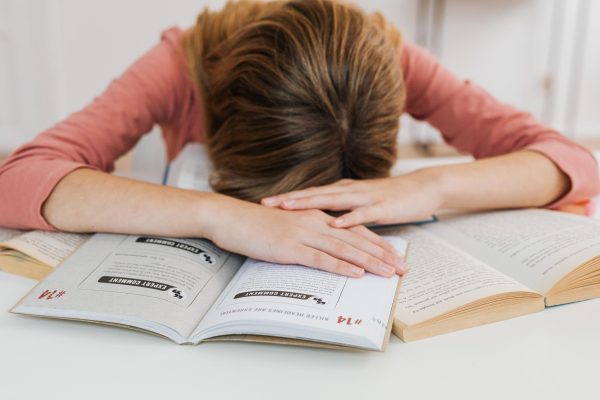
Burnout is more than simply feeling tired after a busy week. Researchers at The National Library of Medicine describe burnout as “a state of emotional, mental, and physical exhaustion caused by prolonged stress”. Unlike ordinary stress, which is often temporary and linked to a specific challenge, burnout can leave students feeling constantly overwhelmed, detached, and severely unmotivated.
For students, burnout can develop gradually. A few late nights studying for exams may not seem concerning at first, but when demanding schedules become a daily routine, exhaustion can begin to affect nearly every aspect of life. Over time, students may find it harder to focus in class, complete assignments, or enjoy activities they once looked forward to.
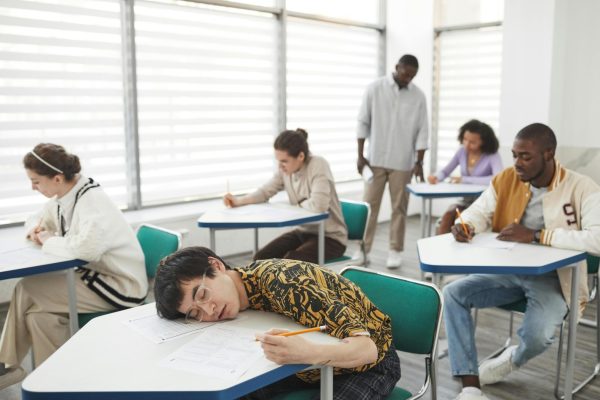
There is no single cause of student burnout. Instead, it is often the result of multiple responsibilities competing for students time and attention. Academics remain one of the largest sources of pressure. Many students balance advanced courses, lengthy homework assignments, projects, and frequent tests while also preparing for college admissions. As expectations increase, students will often sacrifice sleep and a healthy diet to keep up with their workload.
Outside the classroom, extracurricular activities can add another layer of responsibility. Sports practices, club meetings, volunteer work, music rehearsals, and part time jobs often fill afternoons and evenings, leaving little time to do any homework or rest. While these activities provide lots of great opportunities, they can contribute to feelings of overload when combined with demanding academic schedules.
Additionally, certain times of the school year can be especially challenging. Midterms, finals, AP exams, and the end of quarters frequently create periods of intense pressure. During these weeks, students may find themselves spending additional hours studying, completing assignments, and managing deadlines all at the same time. This goes for extracurricular activities and sports as well. Tech week, science fairs, and productions can take up significant time and energy in a short period of time. FCIACS and CIACS/States take up lots of time to train and go to these places to compete.
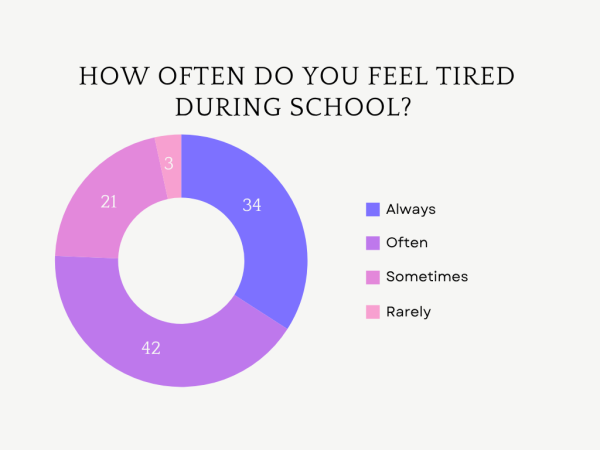
While the causes of burnout vary, and many were mentioned above, the effects are easy to recognize. One of the most common consequences is simple exhaustion. Students who spend their days attending classes and their afternoons and evenings finishing up homework, sports practices, and attending club meetings often struggle to get enough sleep. Over time, this lack of rest can make it difficult to stay alert and engaged throughout the school day. This directly affects academic performance. Ms. Bonano, the school psychiatrist at Darien High School, reports that “this school is rigorous and there is a lot of work with busy schedules can overtime lead to burnout”.
Although students may devote more time to schoolwork in an attempt to keep up with their responsibilities, exhaustion can make it harder to retain information, complete assignments quickly, and prepare for exams. Some students find themselves procrastinating more frequently or spending longer on tasks that might otherwise take less time. Concentration and motivation can also be severely impacted. Long periods of stress and fatigue can leave students feeling distracted during class or mentally drained before the day is over. Many students also report a loss of motivation, finding it harder to stay interested in schoolwork or activities they once enjoyed.

The effects of burnout are not limited to the classroom. Student-athletes and anybody who participates in extracurricular activities may also experience declining performance when they are constantly tired. Practices, rehearsals, and competitions often require focus and energy, both of which can become difficult to maintain when students are stretched too thin.
With this comes the unhealthy diet, some students attempt to compensate for their exhaustion through caffeine. Energy drinks, coffee, and other caffeinated beverages have become increasingly common among teenagers looking for a quick boost of energy. However, relying on caffeine while sacrificing sleep can create a cycle that leaves students feeling even more fatigued over time. According to the National Institute of Health,“caffeine consumption has significantly increased among adolescents over the past years. Similar to adults, high caffeine intake in adolescents is associated with an increase of reported sleep difficulties, sleep disturbances, and morning tiredness”.
To better understand how burnout affects members of the school community, I sent out anonymous surveys to both staff and students at DHS. The responses provided lots of insight into how students experience burnout, and how teachers observe its effects in the classroom.
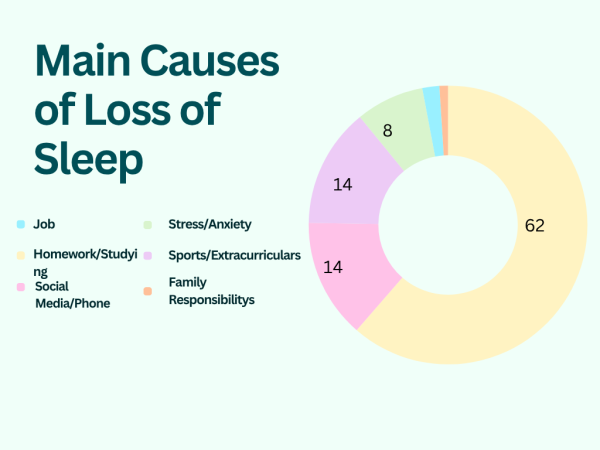
Among DHS students, the most popular response for causes of burnout included homework/studying and extracurriculars. Many respondents reported feeling overwhelmed during particularly demanding times of the school year, such as finals, midterms, and the end of marking periods. Teachers reported noticing many of the same challenges. Several observed that students often appear more tired than in previous years and may struggle to stay focused during lessons. Others pointed to increasing academic and extracurricular expectations as possible contributors to student stress.
Despite approaching the issue from different perspectives, both students and teachers appeared to agree on one point: many students are struggling to find a healthy balance between achievement and well-being. Burnout is not an isolated experience but a concern recognized throughout the school community. Ms. Bonano sees “many students having lots of social media presence” and “the lack of sleep being a driving factor in why students are so burnout”.
Although burnout has become a growing concern, many experts emphasize there are better ways to deal with stress and their health. One of the most important things is sleep. Establishing a consistent sleep schedule and limiting screen time before bed can help students improve both the quantity and quality of their rest.
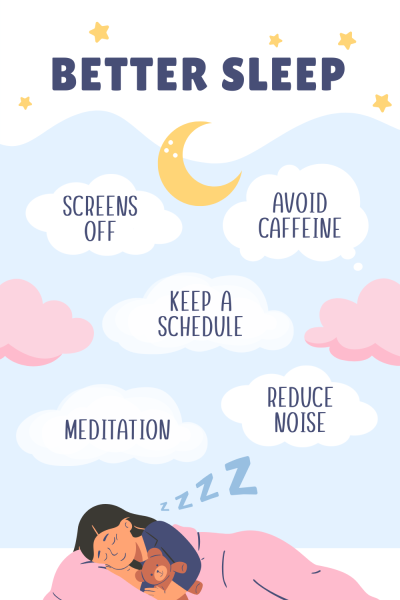
Creating balance is another important factor. While academics and extracurricular activities offer valuable opportunities, maintaining a schedule that leaves little room for rest can quickly become overwhelming. Strong time-management skills can make a difference. Using planners, calendars, or scheduling apps can help students stay organized and avoid last-minute deadlines that contribute to unnecessary stress.
Experts note that addressing burnout is not solely the responsibility of students. Schools, families, and educators can also play a role by encouraging healthy habits, promoting mental wellness, and recognizing when students may need additional support. While there may not be a single solution to burnout, understanding its causes and effects is an important first step.
As students continue to balance academics, activities, and personal responsibilities, the challenge remains finding a way to succeed without sacrificing their well-being. For many students, the goal is no longer simply doing it all: it’s doing it all while staying healthy.