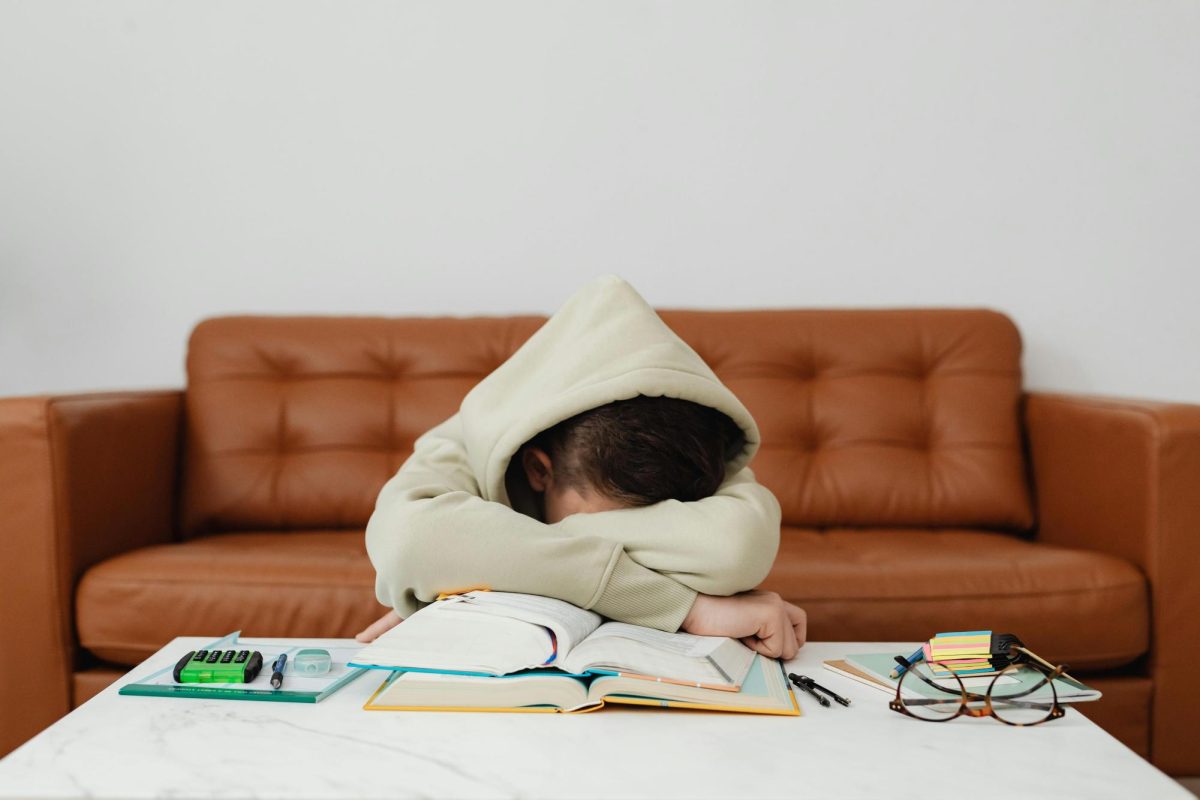
The alarm goes off at 6:30 a.m., but for many Darien High School students, it feels like they just closed their eyes. Between late-night homework, sports practices, and endless scrolling, sleep is often the first thing sacrificed, raising a bigger question: how much sleep are DHS students actually getting, and what is it costing them?
Sleep is essential for both physical and mental health, especially for teenagers. According to many studies, high school students should get between 8–10 hours of sleep each night. However, busy schedules and habits like screen use before bed make that goal difficult to reach. At DHS, where students balance rigorous academics with extracurricular commitments, sleep often becomes a low priority.
Many studies, including one from John’s Hopkins Medicine, report that teenagers getting good sleep is more important than any other age group: https://www.hopkinsmedicine.org/health/wellness-and-prevention/teenagers-and-sleep-how-much-sleep-is-enough.
For many students, the reality falls far short of that recommendation. Many DHS students report getting between 4–6 hours of sleep per night during the school week.
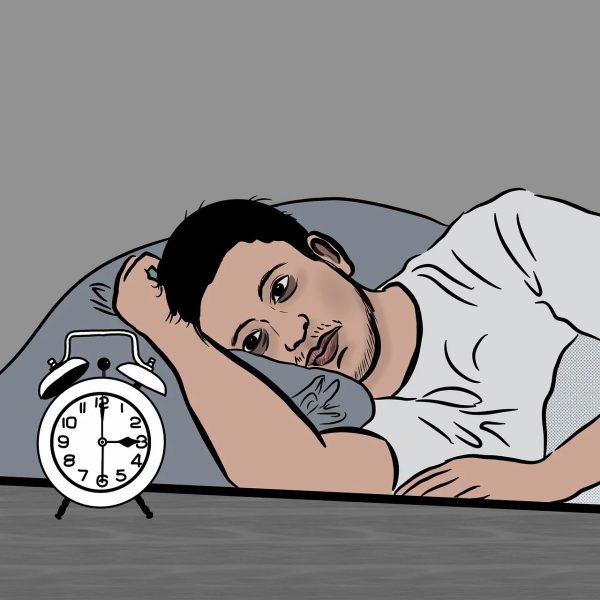
Senior Ella Goodrich explains how quickly sleep gets pushed aside:
“Honestly, I get about 5–6 hours of sleep per night. Most nights I don’t get home from dance until 9:30, leaving me to eat dinner, shower, and finish homework super late. It’s really difficult balancing all of my classes with dance, and sleep is typically the first thing that is sacrificed.”
Lack of sleep doesn’t just mean feeling tired. It can lead to decreased focus in class, increased stress, and greater reliance on caffeine to get through the day. Over time, chronic sleep deprivation can also impact long-term health. I have even mentioned many times that “I’ve grown to be much more dependent on caffeine. It’s really difficult balancing all of my classes with dance, and sleep is typically the first thing that is sacrificed.”
Several factors contribute to unhealthy sleep habits among DHS students. Heavy academic workloads, extracurricular activities, part-time jobs, and especially screen time all play a role. Phones and laptops can disrupt sleep cycles, making it harder to fall asleep, even when students finally get into bed. This lack of rest even makes it more difficult to get up in the morning. Senior Ana Buchesky noted “I wake up around 6:45 for school, but I’m always staying in bed until the last possible second.”
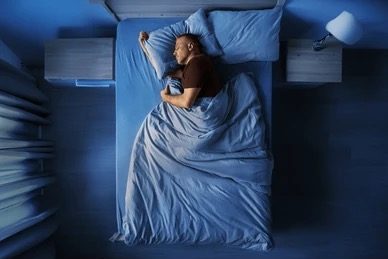
While the problem is widespread, some students are finding small ways to improve their sleep. Setting earlier bedtimes, limiting screen use before bed, and managing time more efficiently can all make a noticeable difference. Even small changes, like putting your phone away 30 minutes earlier, can help students fall asleep faster and feel more rested.
Sleep may not always feel like a priority, but it directly affects performance in school, athletics, and daily life. As DHS students continue to juggle demanding schedules, making sleep a priority, even in small ways, could be one of the most important changes they can make.