

Most phone policies are written for students, not with them, and that’s an issue.
Recently, schools across the country have tightened their phone policies in response to distractions, student behavior, and academic performance. Many schools now require students to put their phones on silent and lock them in a Yondr pouch. While administrative leaders and teachers argue that these phone policies improve focus and learning, students experience the everyday impact of these policies, and some have mixed reviews. Because students experience these rules every day, their voices and opinions are crucial to understanding how phone policies actually affect learning and school culture.
To better understand how students felt about the phone policies after the implementation and use for a few months, I conducted a survey at Darien High School asking various students if they felt (a) positive – I like them overall, or (b) Negative – I don’t like them overall.
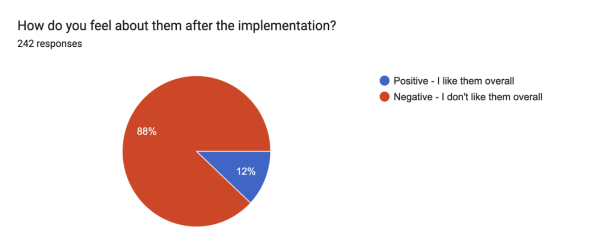
The results conclude that an astounding majority of 88% students felt negatively towards Yondr Pouches. Only 12% of students who took the survey agreed that they liked Yondr pouches and that they were good for the student body. A junior and two sophomores at DHS who all voted against Yondr Pouches in the survey stated that they believe the policy is unnecessary.
Junior Aiden Ramos said, “I think that Yondr Pouches are a waste because people can do the same things on their computer even without their phone”.
Sophomore Annie Higgins underlined, “I believe that Yondr Pouches are unfair to students because of the time you lose in your day trying to unlock them after school”.
Sophomore Jordan Demark stated, “I personally never had a problem with my phone in class, I think it was a social issue that the board believed needed to be fixed. Overall, I think that they do not contribute to helping students academic career”.
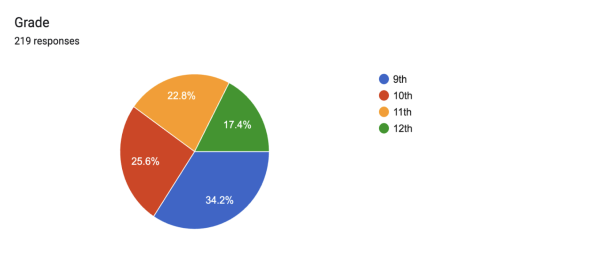
Even though sophomores and juniors believe this, a decently even number of students of different grades took this form, but the majority were ninth graders. Results suggest that while the phone policies may have been designed to improve behavior and focus in school, they have not been well-received by the students most affected. The overabundance of negative responses from the student body highlights a disconnect between students’ experiences and the administration’s intentions.

Coverage of the new cell phone policies in New Haven, Connecticut, shows that while some school leaders and teachers praise the benefits of the Yondr pouches, not all students share the same enthusiastic ideals. In an article from Eye Witness News 3, an 8th grader in the district commented, “They were a distraction, and I totally agree with that. I don’t really like the pouches, but I understand why we have them” (wfsb.com). This reflects a good portion of the student body and their understanding of why Yondr Pouches were implemented and what their intention is, while still disliking having to use them. For more insight into school phone policies across Connecticut, see a podcast linked from The Connecticut Mirror (ctmirror.org).
In addition to student survey data and opinions, I also conducted an interview with Keith Keeler, an administrator who oversees the implementation of Yondr pouches at Darien High School. During the interview, Mr. Keeler emphasized that the policy was intended to promote students’ long-term well-being, even if it is unpopular. According to Mr. Keeler,

“In the long-term, the phone-free school policy helps students to concentrate more on their studies by not being distracted by their devices all the time. Cell phones are designed to be noticed and keep your attention – the device itself and the apps on it. The pouches allow students to not be distracted by them so they can be more present in their classes and focused on their learning. Additionally, the pouches also allow for more social interaction for students. Before school, at the end and beginning of classes during passing time, students now have more opportunities to talk with those around them – either their peers or adults in the building. In the long-term students can develop stronger social connections and have more enjoyable interactions with those around them. Lastly, the phone-free school policy is structured to give more freedom to seniors. To prepare seniors for what they do next after high school, it seems right to give them greater access to their phone as we want them to learn to live with their phones responsibly”.
Overall, the goal of the pouches is to reduce distractions, create a more learning focused environment, and encourage engagement in school. The administrators of Darien school districts have acknowledged that not all students support the policy, but they insist it was done for students’ academic futures.
Ultimately, the debate surrounding phone policies underscores the polarized perspectives of students and administrators. Survey results, voices from across Connecticut, and real-time administration point-of-view all reflect the goal of the Yondr pouch. As more schools across the country continue to evaluate these policies, it is important to consider perspectives from all affected parties to ensure fairness and inclusivity.