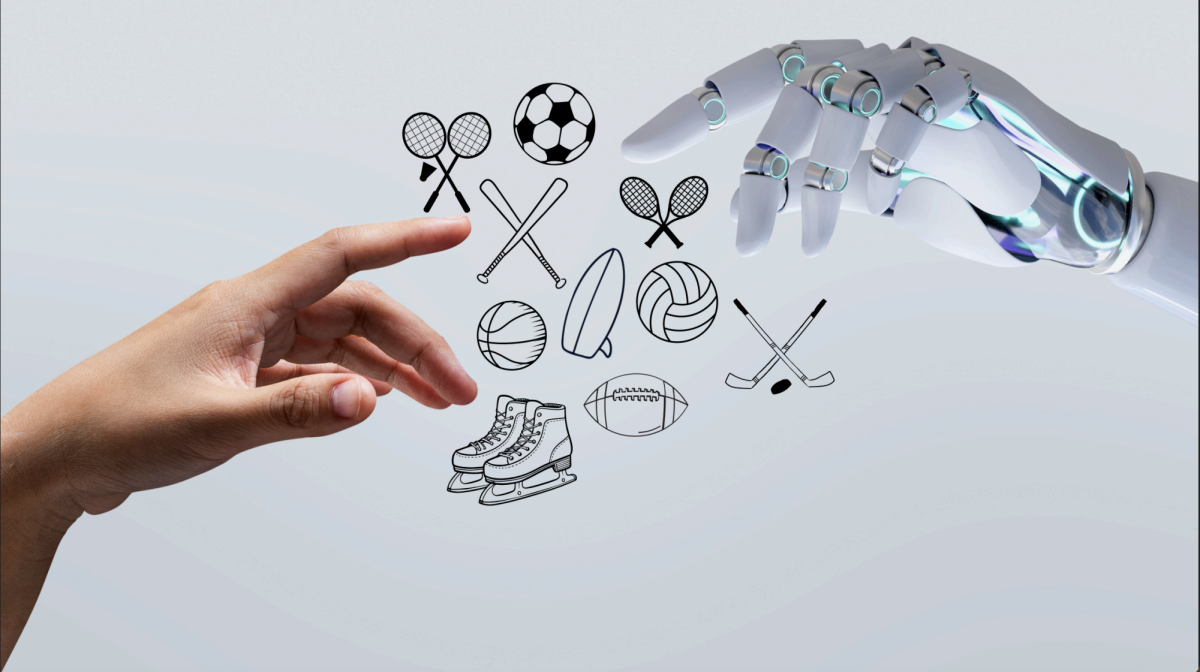

Approximately half of Americans claim that Artificial Intelligence (AI) will “erode creative thinking”, according to the Pew Research Center. Human imagination has driven society, whether it was building new civilizations, landing a man on the moon, or choosing where to spend one’s time after school. Humans have been the driving force behind innovation, but as AI develops at a rapid pace, a new question arises: could AI have a role in enhancing human creativity and connection?
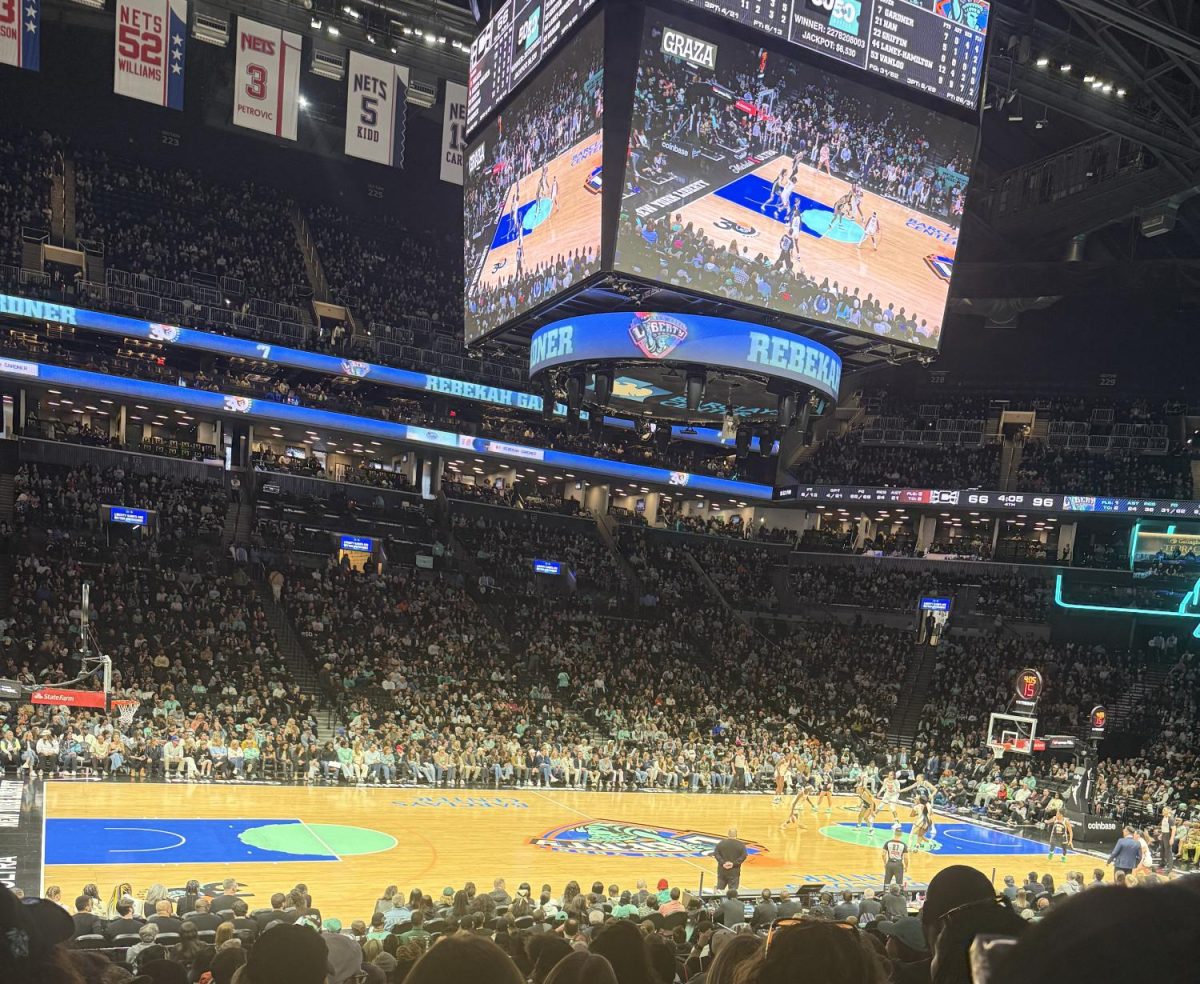
Sports have become a platform for athletes to not only learn powerful life lessons but have the agency to make choices and use creativity to solve problems and execute under pressure. Athletics have been an inherently human endeavor, with real coaches, athletes, and referees (although after some questionable calls, fans may argue that a Roomba could do a better job officiating). As AI takes on roles in other aspects of society, such as serving coffee in the Consumer Electronics Show (CES) or generating songs, the possibility for AI to enhance the experience of athletics becomes a real possibility.
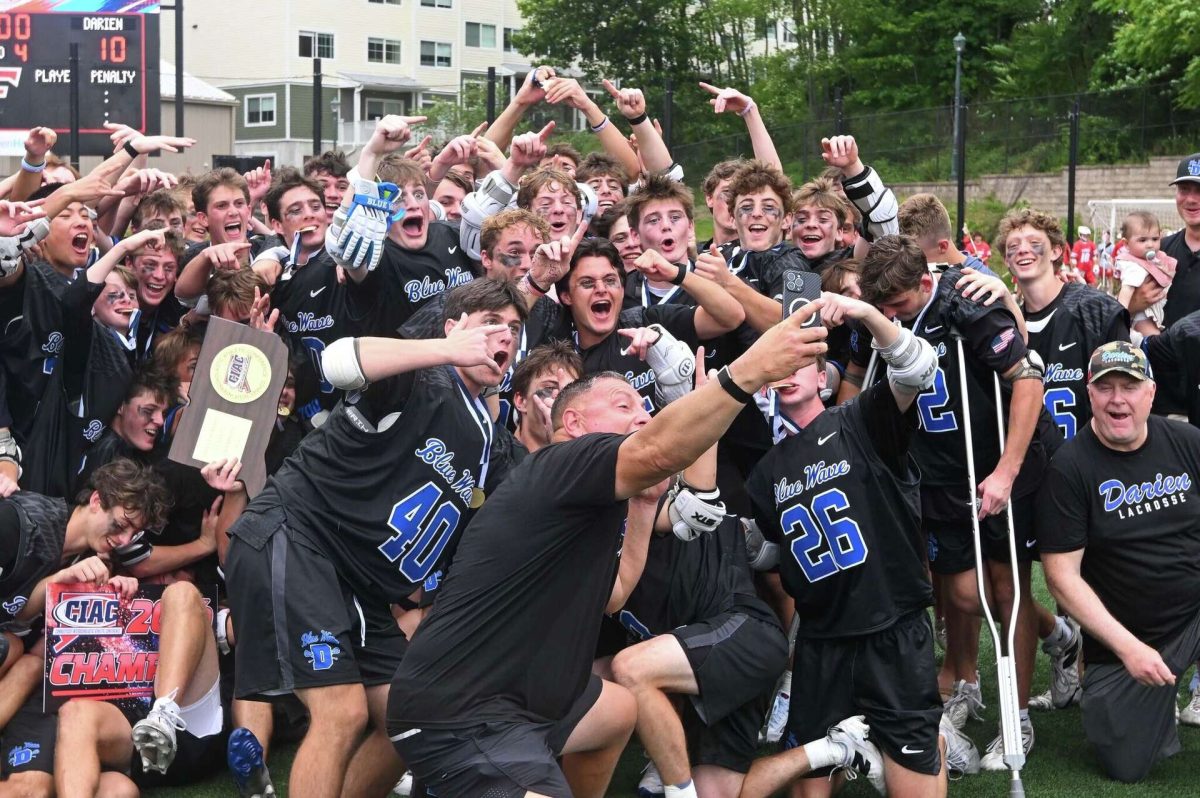
The opportunity to participate in an activity that can have a lasting impact on one’s character has inspired children around the world to take part in a wide variety of sports. According to Project Play, in the United States, youth athletics are constantly growing. In 2023, it is estimated that 55%, or 27.3 million, youth ages 6-17 have participated in a sport. With 200,000 more high school athletes than in 2024, this represents an all-time high in youth sports participation.
According to the Women’s Sports Foundation, this increase in athletics has also become a way to counter the youth mental health crisis in America. According to a study in 2021, girls who never participate in a sport are twice as likely to experience anxiety or depression. Girls who play a sport were 1.5 times more likely to have moderate to high peer-to-peer relationships, developing stronger friendships and connections with those around them. Despite this, athletes from marginalized communities, including girls of color, girls with disabilities, LGBTQ+ youth and those from low socioeconomic households have less access to youth sports and positive, trained coaches.

In an effort to counter these disparities, Positive Coaching Alliance (PCA) is a national nonprofit organization dedicated to “chang[ing] the culture of youth sports so that every child, regardless of social or economic circumstance, has access to a positive youth sports experience”. Since 1998, PCA has reached over 20 million youth through over 20,000 workshops for leaders, coaches, parents, and athletes. On the professional level, PCA has reached countless high-level players that serve as inspiration for youth. They have partnered with ESPN on the “Take Back Sports” initiative that includes ambassador athletes such as Lamar Jackson, Steph Curry, A’Ja Wilson, Jordan Larson, Luka Dončić, Peyton Manning, Jordan Spieth, Sydney Leroux, and more who speak about how sports can shape communities, people, and opportunities.
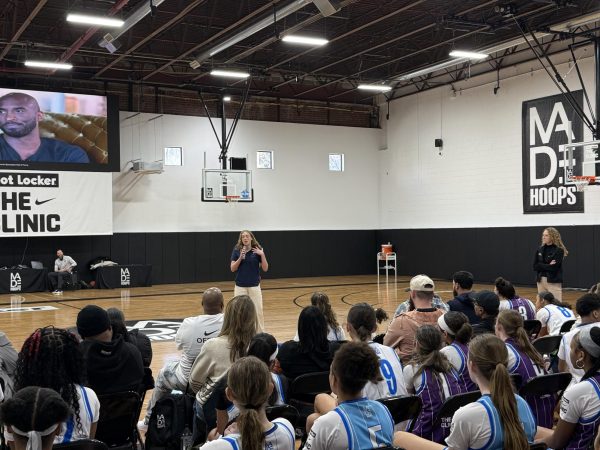
As the first high school-age certified trainer for PCA, I have co-led multiple workshops with hundreds of parents, coaches, and athletes in Brooklyn and the Bronx. Each interactive training is driven by the resources PCA supplies. Topics for these workshops include coaching with empathy, the power of positivity, developing resilience in the face of adversity, and more. By reaching a broad demographic of people, PCA continues to create a youth sports experience centered around equality and positivity. Maintaining a lasting impact, however, is necessary to reinforce the lessons taught in a single workshop. In a world where AI is rapidly growing, using it to expand the benefits of youth sports is essential.
According to Dr. Jennifer Aaker, a professor at the Stanford Graduate School of Business (GSB), “design AI to clear the path, not walk it for you”. In an experiment conducted at Darien High School (DHS), 50 students were surveyed on how resources and people have influenced their youth sports experience. 90% of the students currently play a sport and a variety of issues and challenges were present. Among students’ most common challenges, 18% cited issues with coaches, 14% said time management and stress, 10% said losing a love for the sport, along with a variety of other issues. When asked where students go for help, 42% stated they go nowhere, with 24% saying they go to parents or coaches.
Of the students that said they do not seek help, 60% said speaking to a person could have been beneficial. Only 4% of students believed that websites or online resources could offer direct support. When asked whether students would trust AI to provide feedback on personalized questions, very few saw this potential. One respondent even stated, “I would not trust AI with personal information.”
Human interactions and connections are what drive the youth sports experience; however, AI could still play a role in enhancing it. Rather than replacing the role of a coach or trainer, which is necessary in youth sports development, AI could be designed to elaborate on the foundation PCA provides. AI could work to expand access to positive coaching resources in areas where coaches are not PCA-trained by synthesizing PCA materials, analyzing game footage, and serving as a bridge that connects athletes with human support. Many students at the DHS believe that online resources and websites aren’t able to offer this direct support, however, they may have valuable information.
AI could personalize responses based on prompts such as “How should I respond to a coach that won’t stop yelling at me?” or “How do I get out of my head after making a mistake?”. Rather than simply giving the athletes answers or asking them broad questions, this AI would be built to respond with specific techniques, topics, and videos that build on PCA’s specialized workshops and synthesize information from PCA resources. Rather than replacing the very thing that drives youth sports connection, AI can become a tool to enhance that and get athletes, coaches, and parents to interact with an organization.
The question of whether AI can enhance or detract from creative intelligence becomes a question of how one is willing to use AI. If AI is designed to make people think creatively and give them resources to do so, our imagination is able to expand. AI is designed to create efficiency and give people a foundation of knowledge, but a reliance on AI to make choices strips people of human creativity. AI can be used to guide athletes, coaches, and parents toward positive choices, providing resources and perspectives while leaving the most important decisions to people. When AI is used to prompt reflection rather than replace decision-making, it can become a tool that strengthens human connections, critical thinking, and creativity, all of which make youth sports powerful.