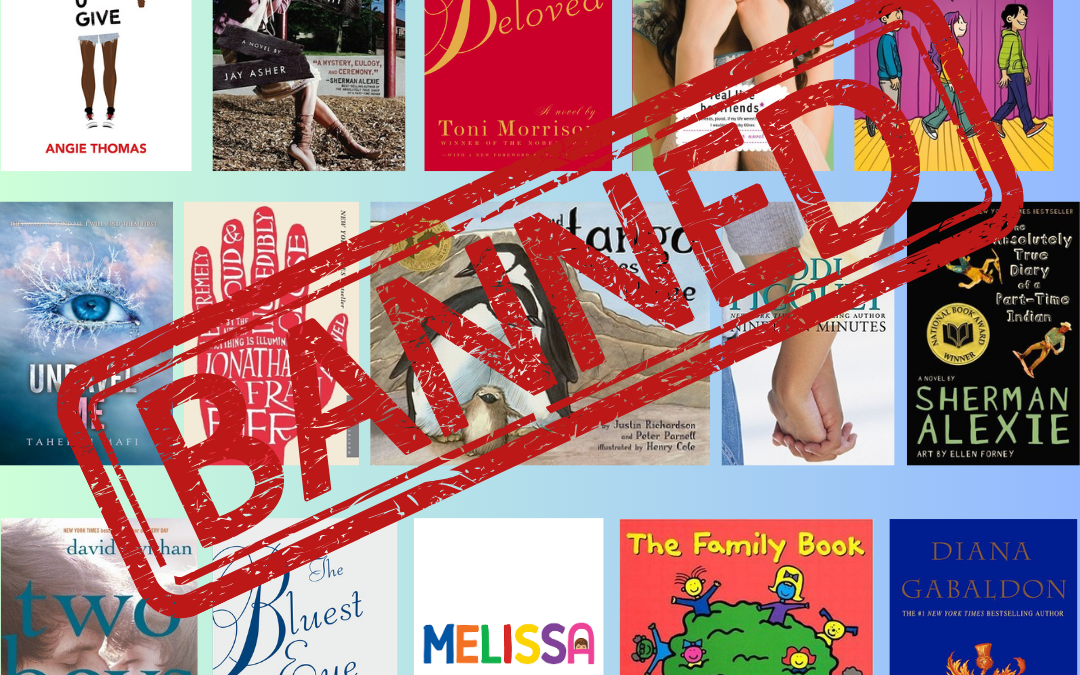
When you hear “banned books,” you might imagine shocking stories, explicit content, or novels so controversial they should come with a warning label. But in a town like Darien, Connecticut, the reality is much calmer. There aren’t piles of books disappearing overnight; instead, the process of banning books is a lot simpler. Adults debate quietly about what’s “age-appropriate” and which titles belong in classrooms. And honestly, sometimes the books people complain about aren’t controversial at all– most kids wouldn’t think twice about them. To them, a potentially controversial issue might not affect them at all. So the question really is, why should someone else’s opinion on a book dictate the outcome for others?
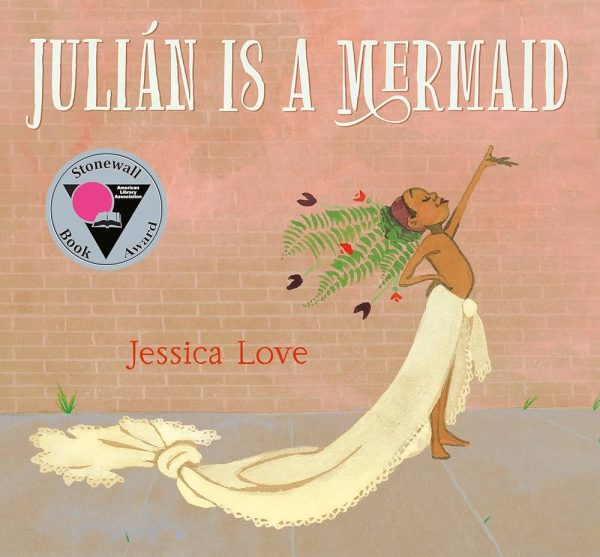
Take the children’s book Julián Is a Mermaid by Jessica Love, for example. It’s about a boy who dreams of being a mermaid, complete with colorful costumes and imagination to spare. To the majority, it sounds pretty harmless, but to others, this book is not okay to be shown to kids, as it can confuse them. In 2022, a parent raised concerns after it was read in a second-grade classroom, arguing that its themes of gender identity weren’t age-appropriate. This left many wondering what the problem is with a boy who wants to be a mermaid. Is it not the same thing as a girl dreaming of being a football player?
Ultimately, the school district decided the book could stay in the library and be used in lessons with context. And that’s exactly the point: just because one parent has an issue doesn’t mean every student should be denied the chance to enjoy or learn from a story. Some kids might connect deeply with Julián, others might just love the colorful illustrations, and especially at the age of seven or eight years old, kids won’t even question the story; they might just enjoy listening to it. Why should a single objection erase that experience for everyone?
This isn’t unique to Julián. In Darien, book debates usually follow a process– parents raise concerns, educators review the material, and decisions are made about how it’s used, not whether it disappears entirely. Librarians and teachers try to balance community expectations by giving students access to stories that widen their perspective. They want students to get the whole reading experience, even if someone has a small problem with it.
Students’ voices often get overlooked in these discussions, yet they’re the ones reading the books. Some students may feel inspired to express themselves, others might just enjoy a fun story, and some might not relate at all—but none of that should be a reason to take the book off the shelf entirely. Removing books because of one adult’s objection risks cutting off valuable experiences for the rest of the student population. The idea is understandable if the book gets a large vote for being too much or too explicit for kids. But why take away a book when there’s really nothing wrong with it other than one parent’s opinion?
Banned books in Darien aren’t about dramatic censorship. They’re about context, conversation, and figuring out how students can safely engage with stories that challenge them, excite them, or simply make them think. The shelves might look quiet, but the debates happening behind the scenes show a community wrestling with what it means to educate, empower, and respect different perspectives—all while letting kids read what they want.