

For many families having a pet run to the door, tail wagging, seemingly smiling whenever they come home is a common scene. During the day, dogs trot alongside their owners while they walk around the neighborhood and at night both cats and dogs curl up beside the person they know they will be safe with. Whether this well-loved pet was rescued from a shelter or bought from a breeder, they know they should have a forever home.
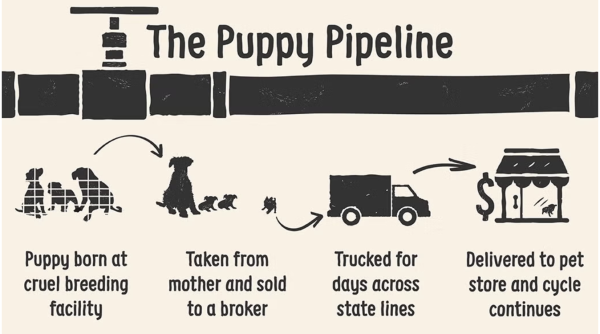
While giving any animal a home is special, buying one without researching where they are coming from and who the money is going to can further promote a dangerous cycle. Those who want a specific breed of animal (most likely a dog) will skip looking in shelters and go straight to puppy breeders. There are some good and responsible breeders, but they are difficult to find due to the high population of “backyard breeders” or those who run puppy mills which cover trusted breeders up.
While morally conscious breeders care for their dogs and puppies, puppy mill owners and backyard breeders’ only concern is making a profit. PETA (People for the Ethical Treatment of Animals) is the world’s largest animal rights organization. They describe the average conditions of these animals to be living in, “hutches, crates, and cages, where they’re in constant isolation, never experiencing…affection.” Knowing what to look for when finding a responsible breeder is difficult, so I recommend visiting The American Kennel Club which provides key tips. An easy and important tip is meeting and interviewing the breeder and visiting where the puppies live for yourself.
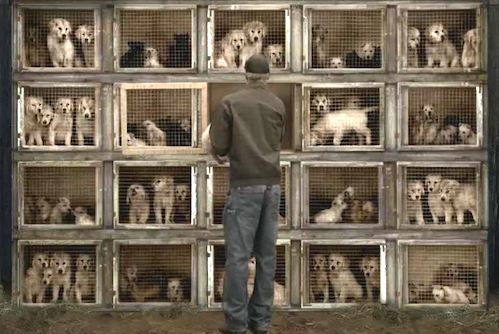
Purchasing from these breeders supports their cruel motives and allows them to continue working. These breeders take the spotlight off of the millions of homeless dogs and cats that have no one to love them and are often euthanized. While a litter of puppies is bred from a mother that is forced to live in a cage and is being abused at a mill, another homeless dog or cat loses the opportunity to find their home. To learn more about the horrors of puppy mills and breeders I recommend visiting PETA: “Why no one should ever support a dog breeder” and the ASPCA: “The Puppy Pipeline.”
This is not to say families shouldn’t purchase puppies or kittens. In fact, there are most likely going to be babies at every single shelter. The ASPCA is an animal welfare organization that drives to educate people, help animals, and change legislation to protect our animals. In their 2025 Annual Data Report, they analyzed that 5.8 million cats and dogs entered shelters and rescues across the country. Over 30% of these were puppies. While this is a slight decrease from 2024 meaning adoption rates are increasing, almost 1.5 million were euthanized or died in care, and about 150,000 more were added to the shelter population at the end of 2025. Some of these euthanasias are for suffering animals that aren’t able to be saved, but as shelters become overpacked and unable to sustain all of the animals, most of the euthanasias are for those that are perfectly healthy, kind, and happy. They just couldn’t find a home in time.
The Darien High School Community is filled with pet lovers. In a survey of 194 responses, 181 people said they owned pets and 87.8% of those pets had been since they were a puppy or kitten. The survey sent out analyzed the age the pet was when brought home, where they were purchased and why (shelter/breeder), and where they would prefer to get a pet from in the future. The graphics on the side depict the results. Of the 57.1% that bought from a breeder most had no reason at all, about 15 wanted a specific breed for allergy reasons, about 40 for aesthetic reasons, 10 were worried about aggressive and unhealthy shelter dogs, and 4 bought from a friend that had what one considered an “oops litter.”
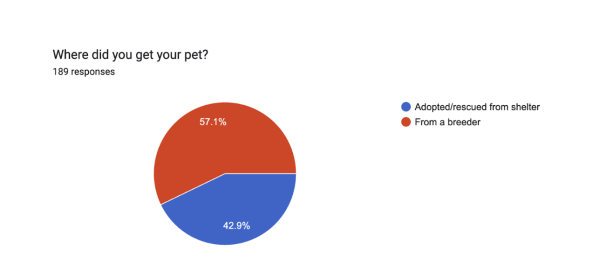
On the other hand, the rest that were rescued from shelters all had a common response: they wanted to give an animal a better life and not add to the millions of animals that are already homeless. These respondents that rescued their pet submitted much more passionate responses including the common phrase “adopt don’t shop,” and said that people who buy from breeders (unless it’s a service animal) are just making excuses because shelters have every kind of breed as well. Another incentive shared by these respondents’ first hand experiences— especially directed to those who had no reason for buying from a breeder at all— is that rescuing from a shelter can be less expensive than buying from a breeder.
Some common misconceptions about shelter animals are that they are unhealthy, unsocialized leading them to be aggressive and untrainable, they won’t bond with you, and purebreds or puppies aren’t available. Yes, some animals that are rescued are unhealthy; however, this is most likely from being abused or neglected by past owners, or not experiencing having a family yet and they need time to heal. This healing time includes needing space to learn how to trust again which can be done by having committed volunteers and even people who want to foster care for them. Fostering and volunteering is a great way to help these animals heal and learn how to connect with others again if a family isn’t ready to adopt yet.
Finally, puppies and some purebreds are readily available at shelters. As mentioned before over 30% of dogs ending up in shelters are puppies and this percentage continues to rise. Purebreds in shelters have been decreasing over the years, yet a study from Animal League America reported that close to 25% of dogs in shelters are most likely purebreds.
When looking to buy a pet it’s important to fully understand what this animal requires to live a good and healthy life (breeder or shelter). This means considering the type of household they would be entering. An animal shouldn’t purely be bought for aesthetic reasons and at the same time they shouldn’t be bought just to get them out of the shelter when an owner can’t take care of it properly in a different home. If you aren’t ready for multiple long walks a day rain or shine, playing, and spending time training the dog properly (like you would need to for a hound, lab, or retriever) then get a smaller dog such as a dachshund, bulldog, pug, or Shih Tzus which would all tend to sleep more. We all want to save our animals, but it’s necessary to look around and ask questions such as: Do I have enough room where I live? Will I be able to walk this dog and play with this cat every day? Do I have enough savings to support this animal (food, toys, vet appointments, etc.)?
If the response to most of these questions is consistently “no,” then I would recommend starting with volunteering at the nearest shelter to help the animals as best as you can. There are amazing organizations such as Lucky Dog Refuge, Paws, TAILS, and others where you can brighten an animal’s day immediately and help them feel loved, which improves their behavior and gets them adoption-ready. Once you feel you are more prepared to care for an animal then try fostering to
test out what kind of animal is best fit for you. Not everyone is ready for a hound or retriever that requires multiple long walks a day rain or shine; if this is you then consider getting a smaller, less active dog, or a cat.
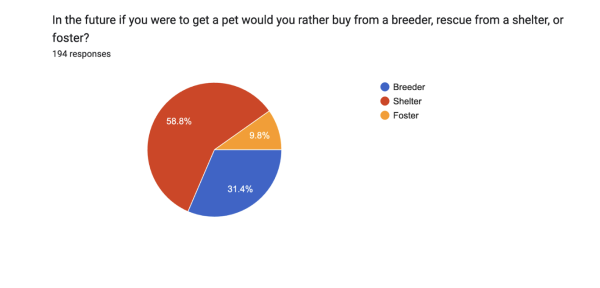
In our DHS survey 58.8% of respondents said that they would want to rescue from a shelter in the future and 9.8% looked forward to fostering. A whopping 68.6% recognize that shelters provide so many opportunities. They are filled with a variety of breeds (some are even allergy friendly) and ages, during each rescue you are decreasing the homeless population of animals and creating space for another to be rescued from the streets, and most importantly they are all excited animals searching for a loving home. So, the next time you are purchasing a pet please further consider the benefits and resilient, affectionate, loyal pet you will be welcoming into your home from rescuing.