The CDC article “The Buzz on Energy Drinks” says, “In 2011, 1,499 adolescents aged 12-17 years went to the emergency room for an energy-drink-related emergency”. This number depicts the often unheard side of energy drinks. Many overlook their dangers and long-lasting impacts.
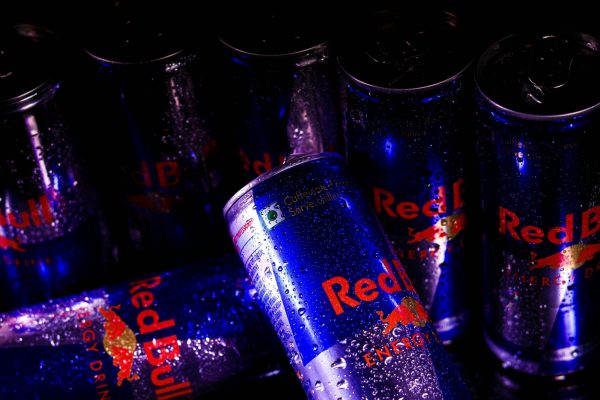
In the last decade, energy drinks have grown to be immensely admired. Market Data Forecast confirms their popularity in their “Energy Drinks Market Report”, stating, “The global energy drinks market size was valued at USD 84.03 billion in 2025, and the global market size is expected to reach USD 161.10 billion by 2034”. Several brands like Monster, Bloom, Celsius, Red Bull and Alani have been in demand all across the country. According to the “US Energy Drink Industry Report”, “Red Bull, Monster, and PepsiCo. have steadily maintained 44%, 33.4%, and 9.2% of the market, respectively”. All across the world, over 20 billion cans and bottles of energy drinks are consumed each year (Market Reports World). The question is: do people know the downsides of their favorite wake-up method?
Ms. Sydney Burrows (a digital content strategist) of the University of Rochester Medical Center states some of the complications caused by energy drinks, including (but not limited to), “Tachycardia… Arrhythmias… Hypertension” and “Arterial spasms”.
In simpler terms: Tachycardia (can be short term or long term) is a resting heart beat that is abnormally fast. Arrhythmias (can be short term or long term) is an irregularity in the heart’s rhythm. Hypertension (long term) is increased blood pressure. Finally, arterial spasms (long term) are a tightening of the artery walls which allows less blood to flow and decreases the amount of oxygen that gets supplied throughout the body.
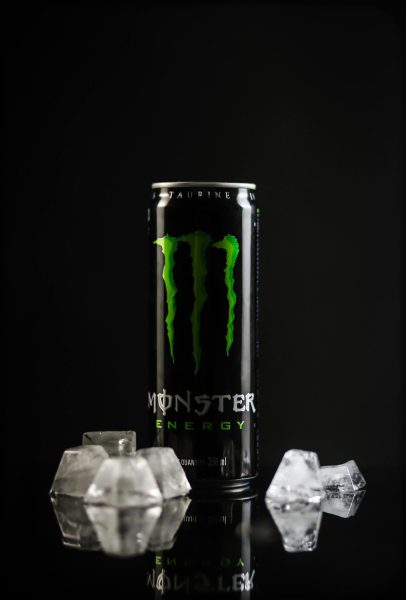
In addition to altering your cardiovascular health, energy drinks can impact your oral health. An article titled “Influence of Energy Drinks on Enamel Erosion: In Vitro Study Using Different Assessment Techniques” from the National Library of Medicine confirms energy drinks’ oral downsides, commenting , “Citric acid is often found in the composition of energy drinks and is highly erosive, exerting a demineralising effect on enamel even after the pH has been neutralised”.
Essentially what that means is energy drinks are high in citric acid, which can damage enamel, even after the drink is no longer in the mouth. Enamel is the protective layer on our teeth. The process of rotting enamel is called tooth erosion.
Energy drinks also have several ingredients that surpass the recommended daily intake. For example, a 12 oz can of Alani in the Pink Slush flavor has 110% of the recommended daily intake of Niacin, also known as Vitamin B3. That same can has 110% of vitamin B6. In addition, the Alani has 110% of Vitamin B12 and 110% of Pantothenic Acid.
Niacin, vitamin B3 and nicotinic acid are all essential nutrients. However, consuming too much of them through energy drinks can lead to hepatitis. Vitamin B6 is another essential nutrient. Vitamin B6 can cause nausea, numbness and more. Vitamin B12 (or cobalamin) can bring about headaches, diarrhea and more. Finally, consuming more than 5 mg of Pantothenic Acid can lead to diarrhea and other side effects, depending on one’s age. For reference, the Pink Slush can of Alani has 5.3 mg of Pantothenic Acid.
Several countries have noticed these side effects, banning energy drinks for people under a certain age (usually around 18). While the bans help reduce youth consumption of energy drinks, it will be very hard to eliminate consumption altogether.
There have been several alternate ways to keep alert and awake, but energy drinks are the recent favorite. While they can be a nice substitute for coffee, before you drink, think about the impacts of energy drinks.