
February is American Heart Month, making it the perfect time to focus on foods that are beneficial for your cardiovascular system. Although heart health involves many factors, what you eat plays a crucial role in managing your blood pressure, cholesterol levels, and reducing inflammation. Here are the nutrients that are key to making a difference in your heart health and three tasty recipes that employ them.
The Essential Nutrients for Heart Health
Omega-3 Fatty Acids:
These healthy fats help to reduce inflammation throughout your entire body and help maintain a healthy cholesterol level. You can find these fats in certain fish, like salmon and mackerel, as well as plant sources like walnuts, flax seeds, and chia seeds.
Fiber:
Fiber can be found in two forms, soluble and insoluble. Although both of these can benefit your heart, soluble fiber is especially important for lowering LDL cholesterol, which is crucial as high levels of LDL can lead to plaque buildup in artery walls. It works by binding to the cholesterol in your digestive system and transporting it outside of your body. This can be found in common everyday foods like oats, beans, apples, and Brussels sprouts. It is recommended to consume 25-38 grams daily, which is a number that is approximately double what most Americans actually consume on a daily basis.
Potassium:
This mineral helps to counteract the effect that sodium has on blood pressure by relaxing blood vessel walls and helping your body to eliminate any excess sodium. Some excellent sources of potassium include avocados, sweet potatoes, spinach, and bananas.
Antioxidants:
Fruits and vegetables contain compounds that can help to protect your blood vessels from damage. Berries, greens, tomatoes, and bell peppers contain many heart-protective antioxidants like anthocyanins and vitamin C.
Here’s how you get these nutrients onto your plate with three easy and flavorful recipes.
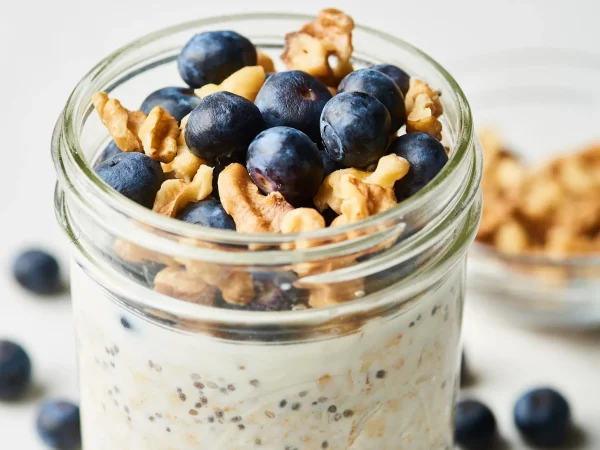
Recipe 1: Overnight oats with walnuts and berries
Ingredients:
- 1/2 cup rolled oats
- 1/2 unsweetened almond milk
- 1/4 cup plain greek yogurt
- 1 tablespoon chia seeds
- 1/2 mixed berries
- 2 tablespoons chopped walnuts
- 1/2 teaspoon vanilla extract
- Optional: Pinch of cinnamon, 1 teaspoon honey or maple syrup
Instructions:
Combine oats, milk, yogurt, chia seeds, and vanilla in a jar or container. Stir, cover, and refrigerate overnight (or for at least four hours). In the morning, stir and top with berries and walnuts.
Nutrition:
A serving provides about 8 grams of fiber and a good amount of omega-3s from the walnuts and chia seeds. The berries add antioxidants without excess sugar.
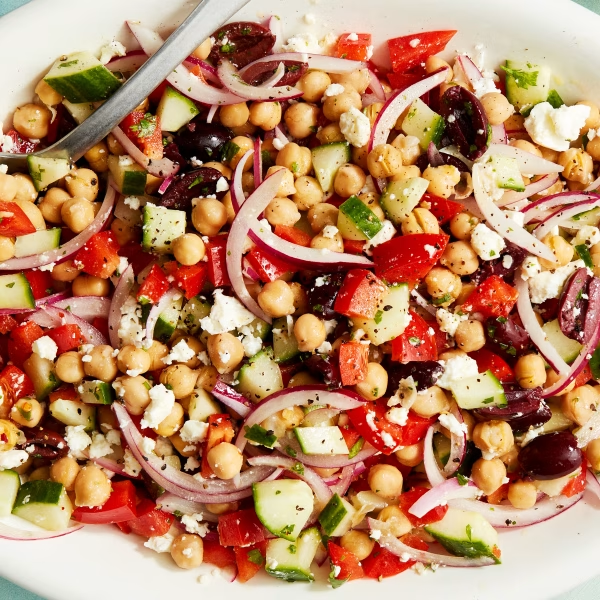
Recipe 2: Mediterranean Chickpea Salad
Ingredients (serves 4):
- 30 ounces chickpeas, drained and rinsed
- 1 cup cherry tomatoes, halved
- 1 cucumber, diced
- 1/2 red onion, chopped
- 1/2 cup Kalamata olives, pitted and halved
- 1/4 cup fresh parsley, chopped
- 2 tablespoons fresh lemon juice
- 3 tablespoons extra virgin olive oil
- 1 teaspoon dried oregano
- 1/2 teaspoon garlic powder
Instructions:
In a large bowl, combine chickpeas, tomatoes, cucumbers, onion, olives, and parsley. In a separate bowl, whisk together lemon juice, olive oil, oregano, and garlic powder. Pour dressing over salad and toss well. Let it sit for about 10 minutes before serving to allow the flavors to mix and develop. Serve at room temperature or chilled.
Nutrition:
Chickpeas provide both protein and about 12 grams of fiber per serving. The olive oil adds monounsaturated fats that support healthy cholesterol levels, while the vegetables add potassium and antioxidants.
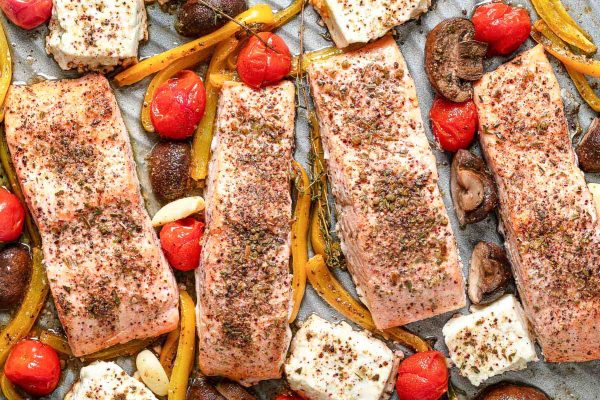
Recipe 3: Baked Salmon with Roasted Vegetables
Ingredients (serves 4):
- 4 4-6oz salmon fillets
- 2 cups broccoli
- 2 cups brussels sprouts, halved
- 1 red bell pepper, cut into strips
- 3 tablespoons olive oil
- 2 cloves minced garlic
- 1 lemon, sliced
- Fresh Dill or Parsley
Instructions:
Preheat the oven to 400°F. On a baking sheet, toss vegetables with 2 tablespoons of olive oil and roast for 15 minutes. Push the vegetables to the sides and place salmon fillets in the center. Brush the salmon with the remaining olive oil with garlic, and add a lemon slice on top of each. Then bake for 12-15 minutes until you can easily flake the salmon with a fork, and garnish with fresh herbs.
Nutrition:
Salmon is one of the best sources of omega-3 fatty acids, with a single serving providing the recommended intake for an entire week. The vegetable adds fiber and a range of protective antioxidants.
Your heart works hard for you every day. Incorporating these few nutrients and delicious recipes is one simple way to make a healthy change and return the favor.