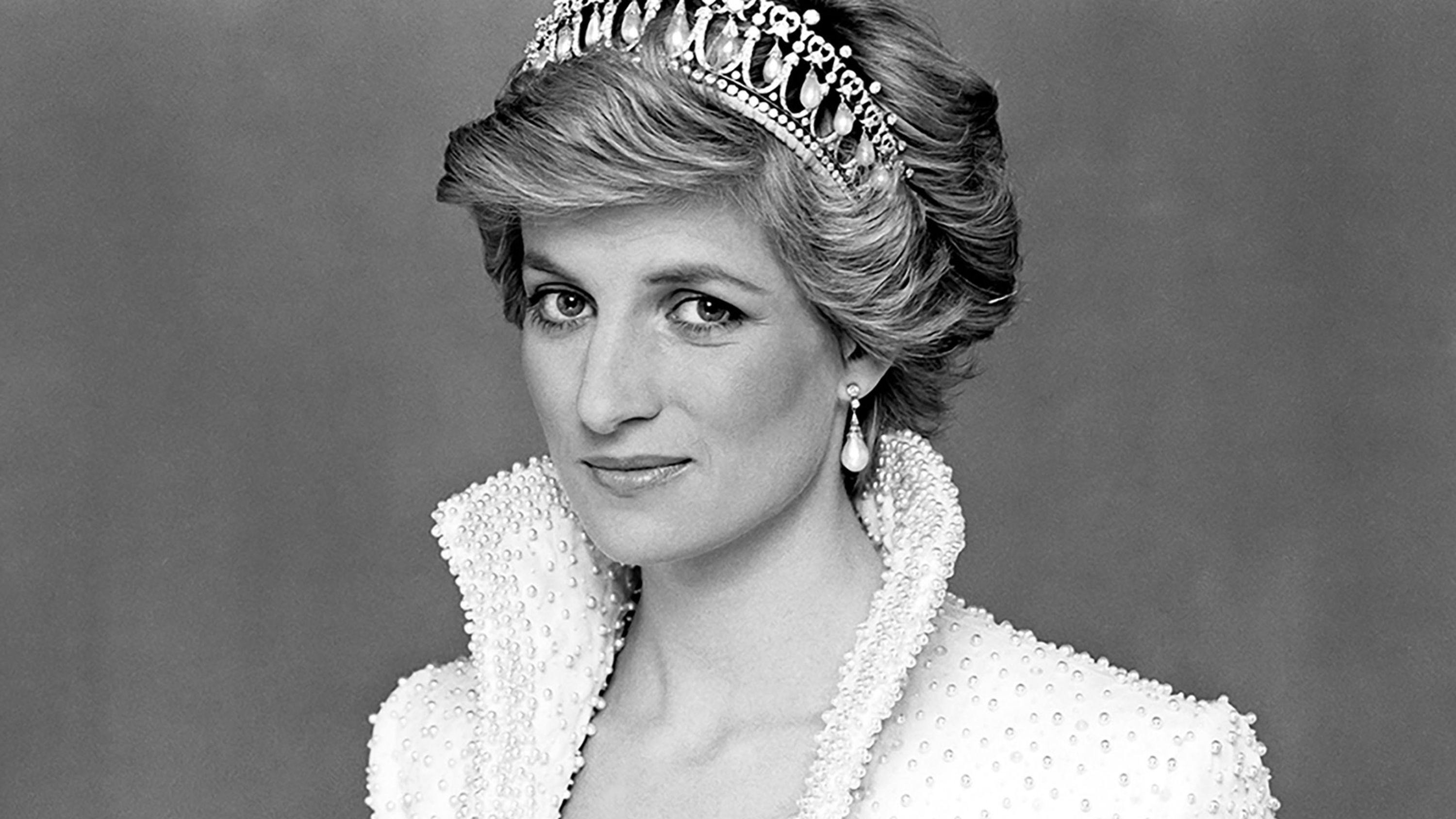
Imagine if every photo you posted, every mistake you made, and every personal struggle became a trending topic seen by millions of people on social media. For many high school students, social media creates pressure to maintain a public image. However, Princess Diana experienced that pressure on a global scale long before Instagram, TikTok, or celebrity gossip accounts existed. As one of the most photographed and talked-about people in the world, Diana’s relationship with the media changed journalism forever. Princess Diana transformed journalism between 1980 and 1997 changing the relationship between public figures and the media. She turned royal secrecy into headline news and showed how personal struggles could become a powerful part of public storytelling.
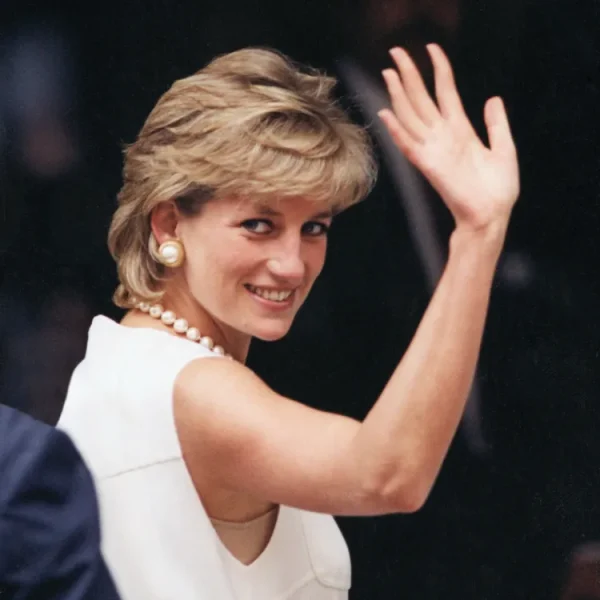
During her marriage to King Charles III then Prince Charles Diana was widely pursued by paparazzi and tabloids, though she also learned how to engage with the press on her own terms. Through interviews, and televised appearances, she carefully shaped her public image and gained widespread sympathy from people around the world. As both Diana and the royal family used media strategies to influence public opinion in their own way, celebrity journalism became more invasive, competitive, and emotionally driven.

Diana’s relationship with the media changed public expectations of famous people. Audiences became increasingly interested in the private lives of celebrities, leading news organizations to devote more attention to celebrity coverage. However, Diana was frequently pursued by photographers, and her death in a Paris car crash in 1997 while being chased by paparazzi sparked worldwide criticism of intrusive media practices and raised important questions about privacy and journalistic ethics. The controversy on her death was talked about by millions, one letter written by Nicole Elsey stated, “Diana was a beautiful human being who might have lived her life in the spotlight but obviously she was very much alone. Everyone who took an interest in her is now responsible for not only her death, but the manner in which her life came to an abrupt end and why she must now lie forever on a small island alone” (PBS). This quote is important because it shows the sympathy people felt about the intense media attention and public fascination on Princess Diana, and how it had contributed to her loneliness and tragic death. This is one of many statements made on Princess Diana’s situation with the press and it reflects the public’s grief while criticizing the pressures of fame and celebrity culture.
Before Princess Diana entered the royal family, media coverage of the British monarchy was generally respectful and restrained. Members of the royal family enjoyed a significant degree of privacy, and journalists often avoided reporting on personal matters. Diana’s marriage to Charles in 1981 changed this dramatically. Diana attracted much media attention, “She gave us all a very human, multi-dimensional story that people – especially women – could relate to.” (British Vogue). Unlike previous royals, the public became fascinated with her life, and newspapers, magazines, and television programs closely followed her fashion, public appearances, and family life. This marked the beginning of a new era of celebrity journalism in which personal details became major news.
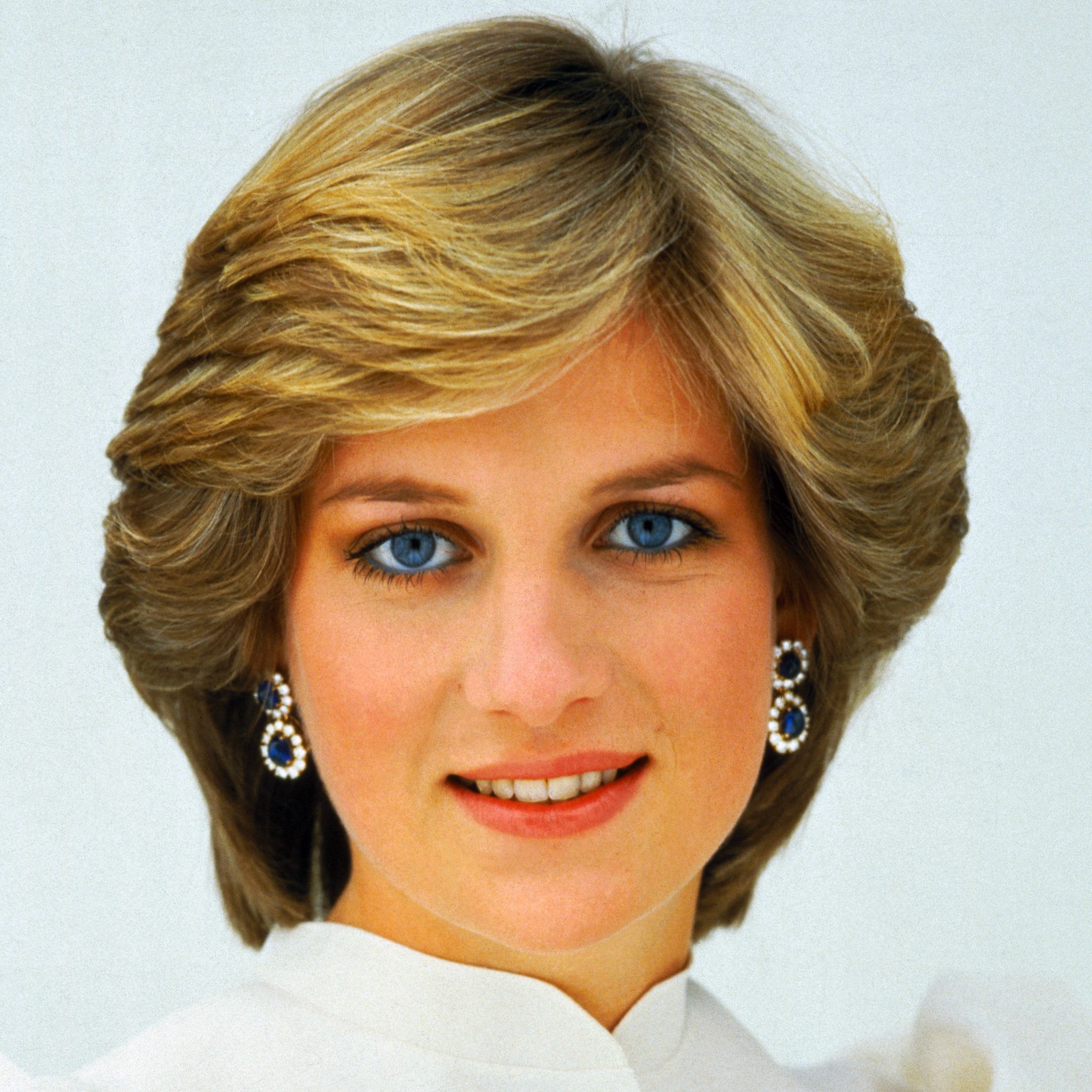
As Diana’s marriage began to fall, media coverage became increasingly aggressive. Reports of conflict between Diana and Charles, rumors of infidelity, and tensions within the royal family dominated headlines. The royals have lost too much privacy. Tabloids competed to obtain exclusive information, often focusing on emotions, relationships, and private struggles rather than official events. This contributed in creating the style of celebrity coverage that remains common today.
Unlike many public figures of her time, Diana understood the power of the media and quickly learned how to use it. An example was her 1995 BBC Panorama interview, in which she openly discussed her marriage, mental health, and experiences within the royal family. The interview allowed her to share her perspective directly with the public and demonstrated how celebrities could use media platforms to shape their own narratives.
Princess Diana permanently changed journalism by transforming the relationship between celebrities, the media, and the public. Her ability to connect with audiences helped create a more personal and emotional style of reporting, while the intense scrutiny she faced highlighted the dangers of excessive media attention. Her legacy continues to influence discussions about privacy, ethics, and the responsibilities of journalists today.