
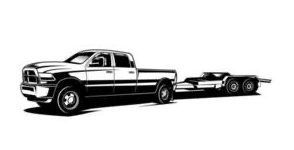
The lifted pickup pulls into the Darien High School parking lot before first period, towering over the sedans around it. Its tires are spotless. The truck bed is empty except for a lacrosse bag and a Stanley cup rolling in the back. For many students, trucks have become less about labor and utility and more about image, raising the question: are modern trucks still built for the American worker, or have they become a form of cosplay?
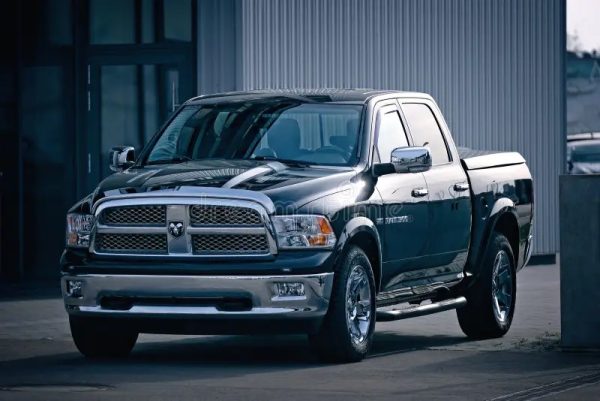
Traditionally, pickup trucks were designed for physically demanding jobs. Contractors, farmers, landscapers, and construction workers relied on them to haul equipment, tow trailers, and survive rough terrain. Earlier truck advertisements emphasized durability and practicality, marketing vehicles as tools rather than luxury items. However, over time, trucks have increasingly shifted into status symbols.
Today, many trucks are equipped with leather interiors, touchscreens larger than laptops, heated seats, LED lighting packages, and price tags reaching well above $70,000. While these features may appeal to consumers, critics argue they move trucks further away from the workers they were originally intended for. According to automotive research from companies like Ford and Ram Trucks, luxury trims and high-end models have become some of the best-selling versions of modern pickups.
At DHS and across social media, trucks are often associated with aesthetics and identity as much as functionality. Lift kits, oversized tires, light bars, and custom decals can make trucks appear more rugged even if they rarely leave paved roads. Platforms like TikTok and Instagram have amplified this image, turning trucks into part of an online persona tied to masculinity, country culture, or wealth.
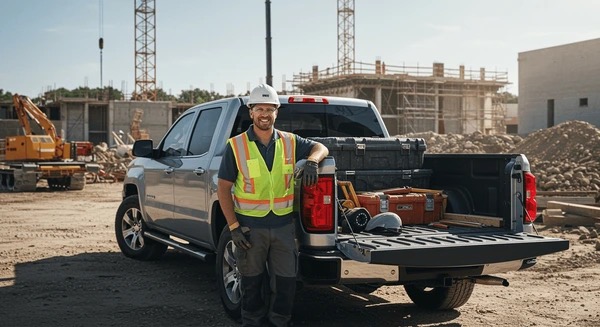
For some students, the appeal is understandable. Trucks can represent independence, confidence, and individuality. “People like how they look,” Ella Goodrich, a DHS senior commented. Others, however, see the trend differently. One of my friends, Catherine VanDerzee, a DHS senior, commented on my lifted Ram truck saying, “you look so funny driving a truck like that,” knowing that I am definitely not a worker who needs the vehicle practically (I don’t think I’ve ever even used the truck bed).
The rise of truck culture also raises environmental and economic concerns. Larger vehicles consume more fuel, take up more space, and can be significantly more expensive to maintain. Critics argue that marketing oversized trucks to suburban consumers contributes to unnecessary consumption while making practical work vehicles less affordable for actual laborers.
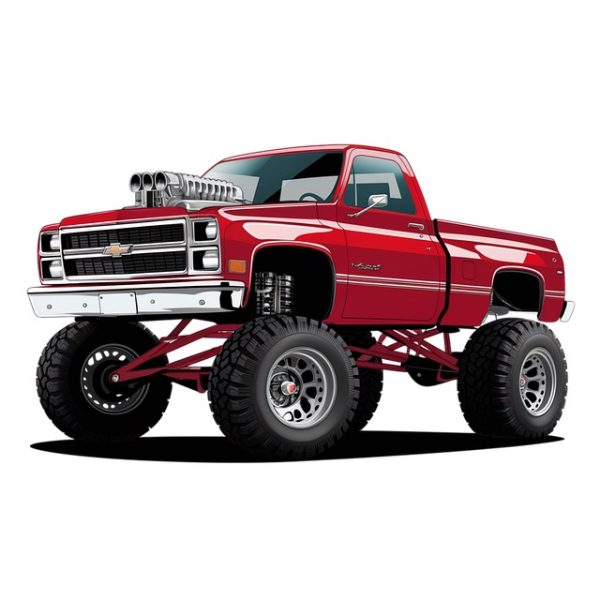
Still, trucks remain deeply tied to American identity. For some owners, customization and style are simply part of self-expression rather than deception. The debate ultimately reflects a broader cultural shift: in modern America, many products no longer function only as tools but also as symbols of lifestyle and status.
Reports describing America reaching “peak truck” suggest that rising prices and luxury-focused designs are making trucks less accessible to many working-class buyers, as several articles have pointed out, including this one: https://pickuptrucktalk.com/2025/11/the-rise-of-pickup-trucks/.
Whether modern trucks represent hardworking practicality or performative “cosplay” may depend less on the vehicle itself and more on the person behind the wheel.