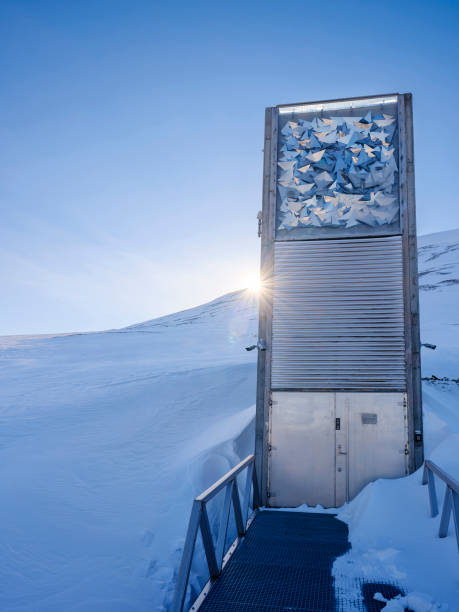
Have you ever wondered what our backup plan for maintaining humanity is? Deep in the Arctic, away from all of humanity in the Archipelago of Svalbard, sits the Svalbard Global Seed Vault. At first, one might wonder why seeds need to be guarded and preserved; however, these seeds serve as a “backup for humanity” if and when any sort of doomsday arrives (nuclear war, asteroids, pandemics, etc.). Millions of seeds that represent our cultures, histories, and more are stored in these vaults.
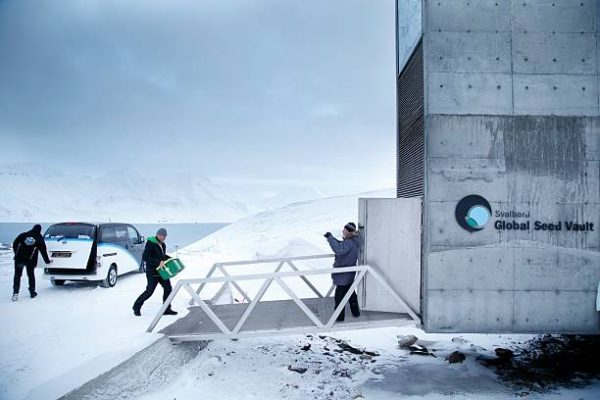
The variations and diversity within these seeds will allow any country and environment to essentially restart and regrow. Most countries recognize the importance of these vaults as they are protected from threats like war, natural disasters, and the climate crisis in order to prevent food insecurity in the future and to preserve the history of human agriculture. If any catastrophe strikes, these vaults will be ready to restore what was lost. Here’s everything you might want to know about our silent first responders (the seeds) and their caretakers.
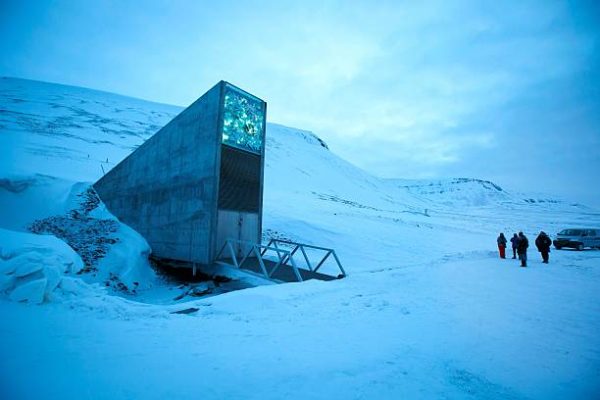
The Svalbard Global Seed Vault officially opened on February 26, 2008 after the first seed shipment in January of that year. The construction was funded by the Norwegian government and was close to $8.8 million. While the initial construction cost was very high, storing the seeds in the vault is free. The vault is run by the Norwegian Ministry of Agriculture and Food, the regional genebank NordGen, and the Crop Trust. No one is permanently employed to operate these vaults and only specific organizations can deposit the necessary seeds. There are over 1.3 million seed varieties that protect agricultural biodiversity. Most of these seeds are stored at -18 degrees celsius or -0.4 degrees fahrenheit in order to remain viable for a long time. In addition to the long life these seeds are expected to have in the vault, the vault can store nearly 2.25 billion seeds at a time.
I interviewed one of our own AP Environmental Science teachers, Eugene Viderman, and while I expected him to know of the svalbard seed vault as a science teacher, I didn’t expect him to have actually applied for an internship for an undergrad research experience during his time at Syracuse University. The seed vault offers a variety of internships for students; however, there are several extensive interviews to ensure they select the most fit person. Mr. Viderman said, “I applied thinking I was going to do some awesome research on ice melting, and [also had to] learn how to shoot a rifle in case of Polar Bear attacks (I’m being serious).” For those interested, while didn’t make it through the final round of interviewing he found a similar and, “even better” opportunity in the Canadian Arctic where he studied climate change and its impact on people’s lives.
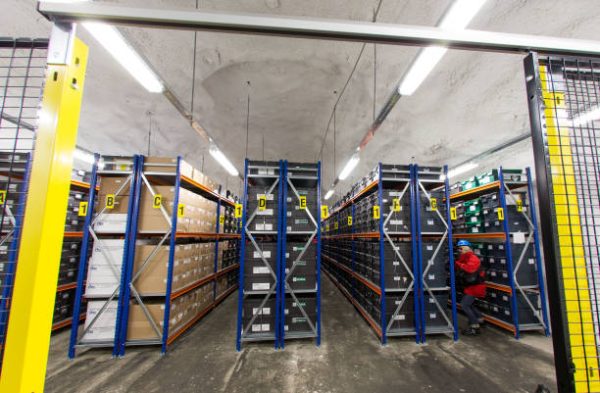
The Svalbard Seed Vault doesn’t stand alone. There are more than 1,700 genebanks creating a backbone for the world’s agriculture and to also improve plant breeding. The seed vaults also act as genetic resources that will help scientists and farmers generate longer lasting and stronger seeds in a changing environment. According to the New York Botanical Gardens, over 600 plant species have gone extinct in the last 250 years. While these species may not be noticeable to most of us, their disappearance may heavily impact other habitats.
Some governments have been considering defunding the seed vaults in order to spend the money on in-the-moment issues; however, climate change and the destruction of the environment is becoming a more prevalent problem every year. Mr. Viderman agreed that the seed vaults should absolutely be protected. One aspect he mentioned that I hadn’t previously thought of was how “future geneticists and scientists would love to know what people in the past ate, what some staple crops were, how they were different from the ones we may have in the future.” Mr. Viderman also recognized that we may need to “do some serious bioengineering” for maintaining crops in the future as the environment drastically changes due to climate change and more. Interestingly, he also recognized the possibility of developing crops that are suitable to grow on Mars if we create a settlement (most likely not in our lifetime).
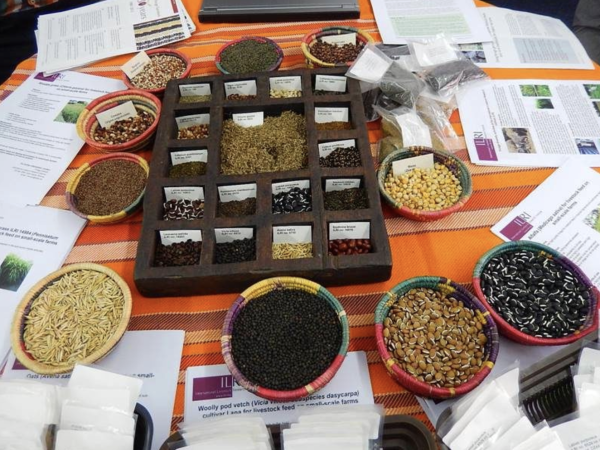
For some species (especially those that require very specific resources and habitats to survive), losing these plants which are a possible food source or shelter makes surviving even more difficult. So, not only do these plants impact the beauty and diversity of our environment, but they can also create a cascading effect that harms other aspects of the ecosystem. Plants play a vital role in creating and protecting a healthy ecosystem, and the seed vault ensures that an equilibrium will be maintained which is very important in trying to keep our quickly evolving planet healthy.
One phrase that illustrates Mr. Viderman’s passion for science and that stuck with me is when he said, “what’s exciting about science is all the things that we don’t know…holding on to anything [from our past and present] could prove to be imperative in the future.” Science is all about moving forward and developing more sustainable and efficient processes; it is about gaining more knowledge. We are unable to reverse the damage we have caused to the environment, especially our addition of carbon dioxide to the atmosphere; however, we have time to improve how we operate and what we consider the norm for our environment in the future. Seed banks, along with all science research, is a vital part of our development and survival that we must continue to protect.