Have you noticed that everything is a remake? The biggest movies to come out this year were “Wuthering Heights,” Wicked, Freakier Friday, Zootopia 2, and Bad Guys 2. Out of the songs nominated for song of the year at the Grammy Awards, most of them were heavily sampled–including “Anxiety” and “APT.” Of those that weren’t sampled, over 10 musicians had worked on them.
The idea of repetition, remakes, and resurgence is not new. We have been retelling stories since the dawn of time, whether its Greek mythology, Shakespeare, Biblical adaptations, or fairytales, the natural cycle of art involves adapting the work that came before. The difference this time, is the overwhelming majority of unoriginal work, and its overwhelming relevance in our society. In “Reboots and remakes: why is Hollywood stuck on repeat?“, Catherine Shoard references the abundance of remade cinema that was released in the last year, calling it “creative bankruptcy desperately presented as comfort food.” The Cosmopolitan agrees in “Why are there so many film and TV remakes now?“, an article published five years ago, that predicted Hollywood’s continuing situation, where “increasingly there seems to be nothing else.”

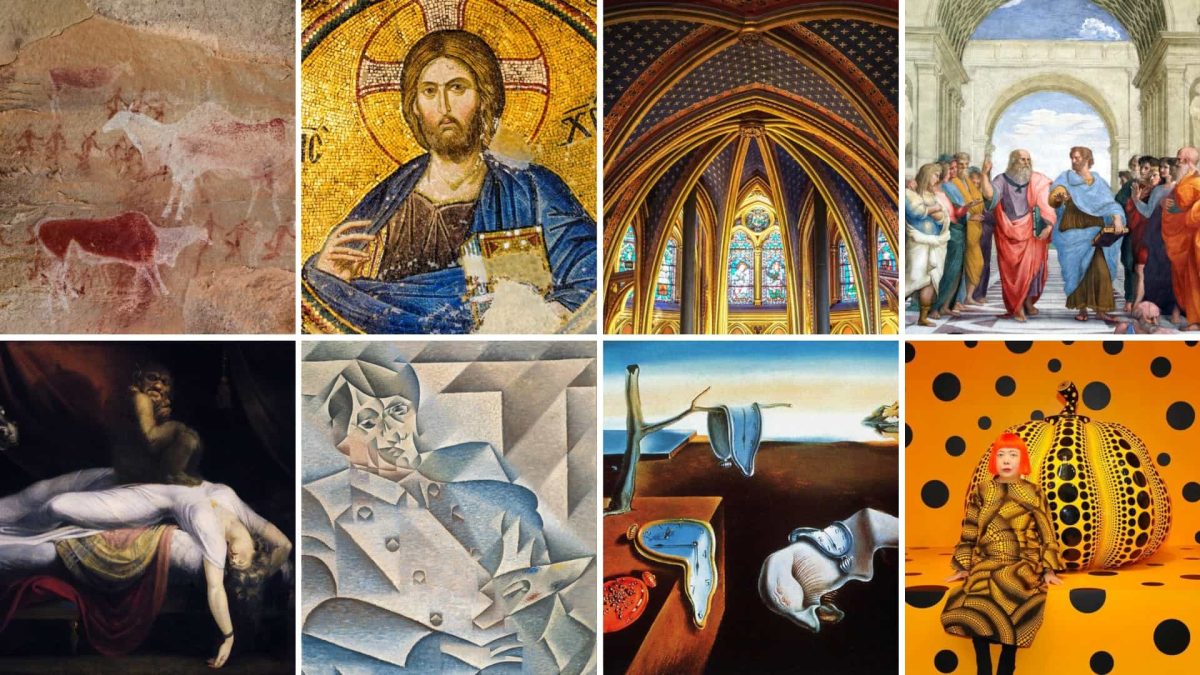
I interviewed Mr. Dennis Cummings, a phenomenal history teacher here at Darien High School, who also happens to be an expert on art and technological evolution. He raised the idea that an uncanny amount of modern media has a distinct “lack of creative generation” which may be “reflective of a shallow zeitgeist.” It’s true; we have a distinct lack of movement. If I asked you what the dominant art style of today is, what would you say? Even if you had to boil it down to three or four artistic movements, could you? What I would call it is pastiche: work that imitates that of another work, artist, or period. As Mr. Cummings clarified, pastiche does not necessarily have a negative connotation. Calling back to the past often has its benefits: a legacy of thought, nostalgic remnants, and appreciation for the beauty of history.
But today, all we see is pastiche. Whether it’s movies, songs, writing, or thought, everything is a copy of a copy. Even the technology we create is a mere imitation of thought–namely, AI, the ever-present force that synthesizes existing work into an amalgamation of words. There is a dearth of meaning in what we create–at least, the mainstream of it.
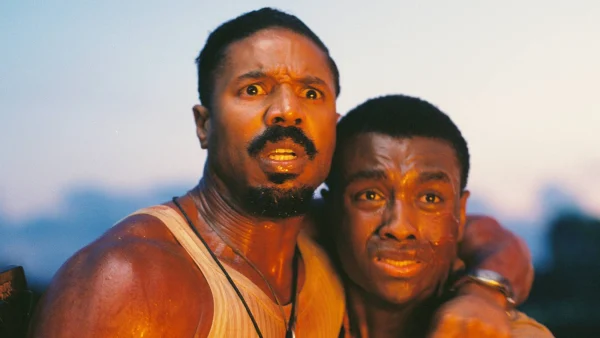
A few reasons could explain this phenomenon. One revolves around what almost always makes the world turn–money. Artists, or rather the corporations behind them, are not willing to gamble on the chance that an original work will flop. In Hollywood, a remake or second film in a series is safer than an avant-garde screenplay written to change the mediascape. In music, a tune is more likely to be stuck in your head if it’s already been there once. As a result, we go to movies and laugh at the same jokes, listen to the same songs as our parents (just with more synth), and constantly repeat the same loop. The solution here is to, of course, “promote original art with our dollars,” as said by Mr. Cummings. Consumer support is crucial in the path to creativity. Just as wealthy patrons supported the Renaissance, we can go to the movies and support Sinners, an original story, or listen to a band from our hometown.
Another possible explanation is our “backwardly generative” lack of optimism. Mr. Cummings brought up the valuable fact that many young people are less hopeful for the future. In return, art and creative thinking suffers. And though it’s been said many times, it’s true that we are the first generation to believe we will not be as successful as our parents–which needs to change.
How do we fix this? Is this even a problem worth our time? Why not just repeat the loop, go see Zootopia 5 at the movie theater in ten years? The short answer is, I don’t know. The long answer is that to have a movement, we need to move. Move against or with the grain, against or with our peers, against or with our current lives. Mr. Cummings is strong in his optimism; he wants us to ask, “where are the silver linings?” I see them in the school around me, with a bursting theater club, creative writing publications in Current, and frequent musical performances. I’ll be glad to keep creating my own work whichever direction we’re headed in, as long as we’re headed somewhere.